A very old Hui quarter in the middle of Shenyang
Shenyang's South Mosque dates to the early seventeenth century and is one of the largest in north-east China, surrounded by a neighbourhood of halal restaurants and butchers.
China's north-east — Heilongjiang, Jilin and Liaoning — is the country's winter playground and its old imperial frontier, with a Hui Muslim quarter in Shenyang that has been there since the 1600s and a bright, cold, hospitable culture of its own.
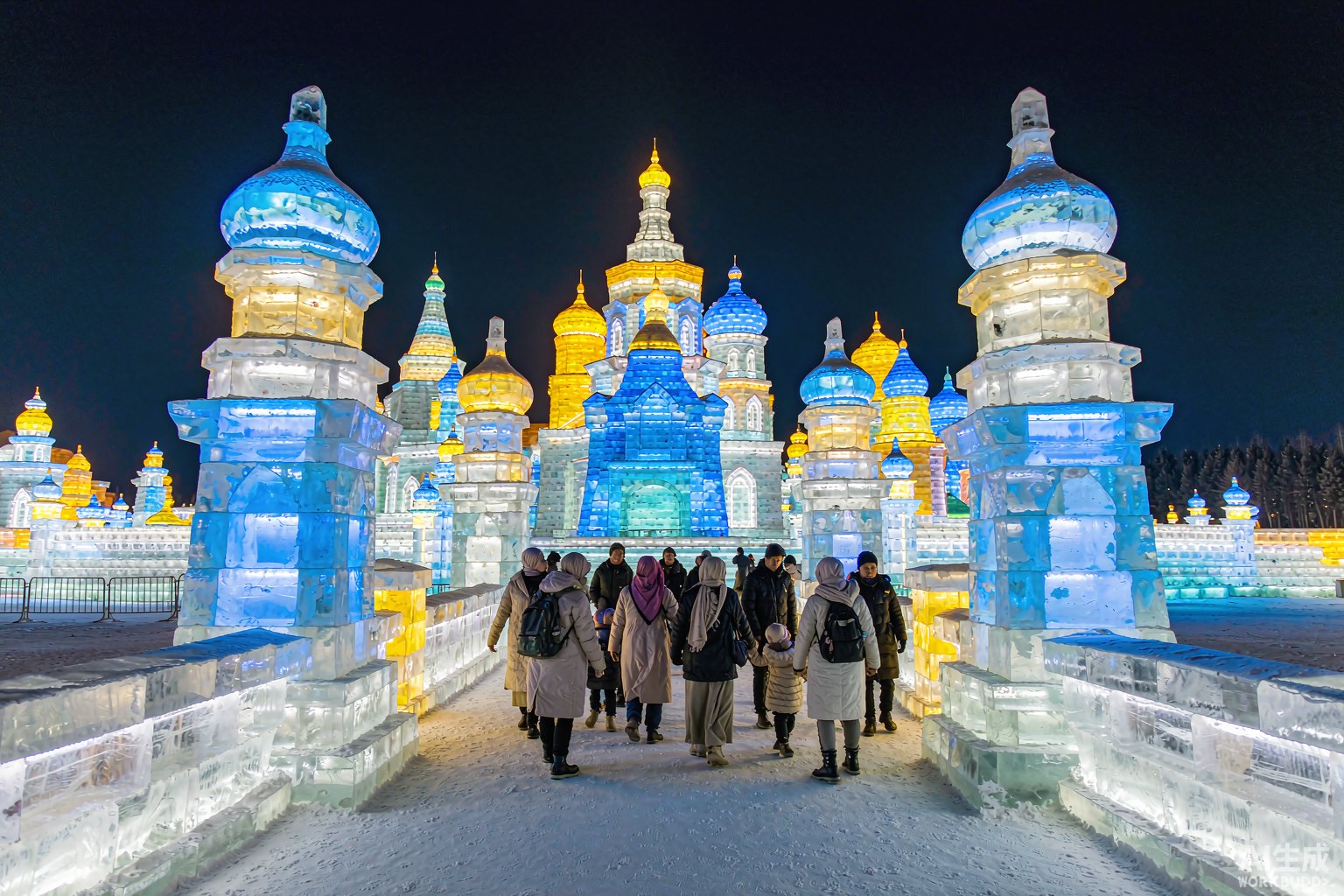
Harbin is the headline: every winter it builds a city of illuminated ice, and the Songhua River freezes hard enough to walk on. The city was shaped by Russian railway engineers a century ago, which is why it has onion domes, a Chinese Baroque street and some of the best bread and sausage culture in China — although the famous local sausage is pork, so we steer you to the halal kitchens instead.
Shenyang, the provincial capital of Liaoning, was the Manchu imperial capital before Beijing, and its Imperial Palace is a quieter alternative to the Forbidden City. It also has one of the largest and oldest mosques in the north-east, at the centre of a Hui neighbourhood with restaurants that have been there for generations.
In summer the region turns green and cool, with Changbaishan's crater lake on the North Korean border. In winter it is genuinely cold — minus 20 °C and below — which is exactly the point, and we plan the itinerary so you are never outside for long without a warm place to pray.
The halal guarantee on every Northeast China itinerary: certified halal restaurants only, no pork and no alcohol on the premises, the full list with addresses sent before you fly, and your guide re-checking each booking the day before you eat there.
Shenyang's South Mosque dates to the early seventeenth century and is one of the largest in north-east China, surrounded by a neighbourhood of halal restaurants and butchers.
Extreme cold changes how a day works, so we shorten outdoor blocks, put a mosque or prayer room in the middle of each one, and keep the vehicle warm for between-stop salah.
Shenyang's Hui pastry, beef pies, lamb dumplings and hot pots — hearty food for a cold place, from kitchens that have been doing it for generations.
Shenyang Imperial Palace, the Manchu tombs and Harbin's Central Street give you the history at a fraction of the crowds.
Cold is manageable if the day is built properly: twenty-minute outdoor blocks, heated handoffs between stops, and prayer indoors rather than in a car park.
Mutton hotpot, beef pie, lamb dumplings and a bakery tradition that arrived with the Russian railway. Every city here has a Hui quarter with real kitchens.
Six different ways to do Northeast China. Each one has its own page with a day-by-day plan, its own certified halal restaurant list and its own mosque sheet. All six are private departures — no shared coach, no fixed calendar.
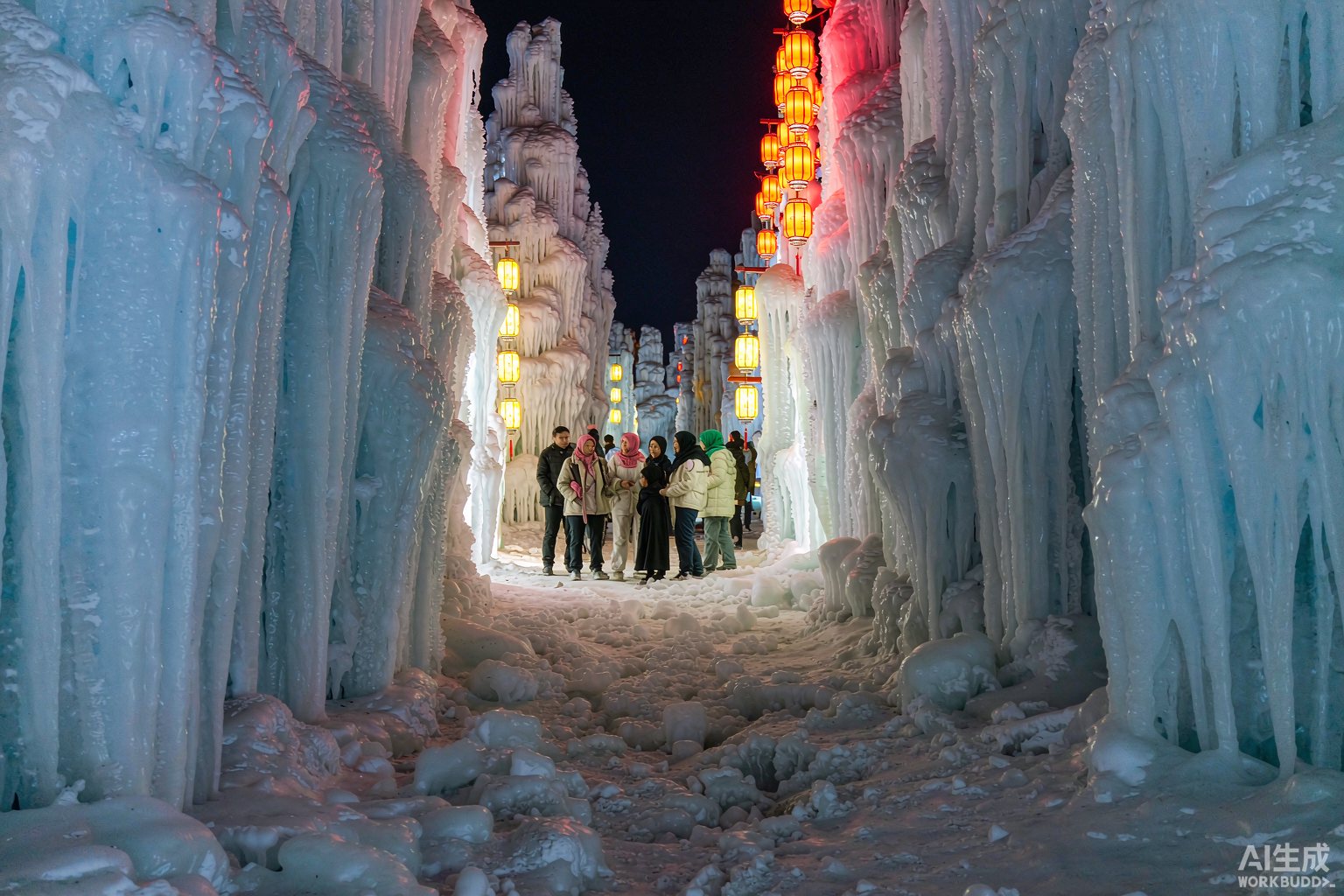 7 daysWinter Snow
Full-scale buildings carved out of river ice and lit from inside, plus the snow sculpture park and the Russian architecture of Central Street.
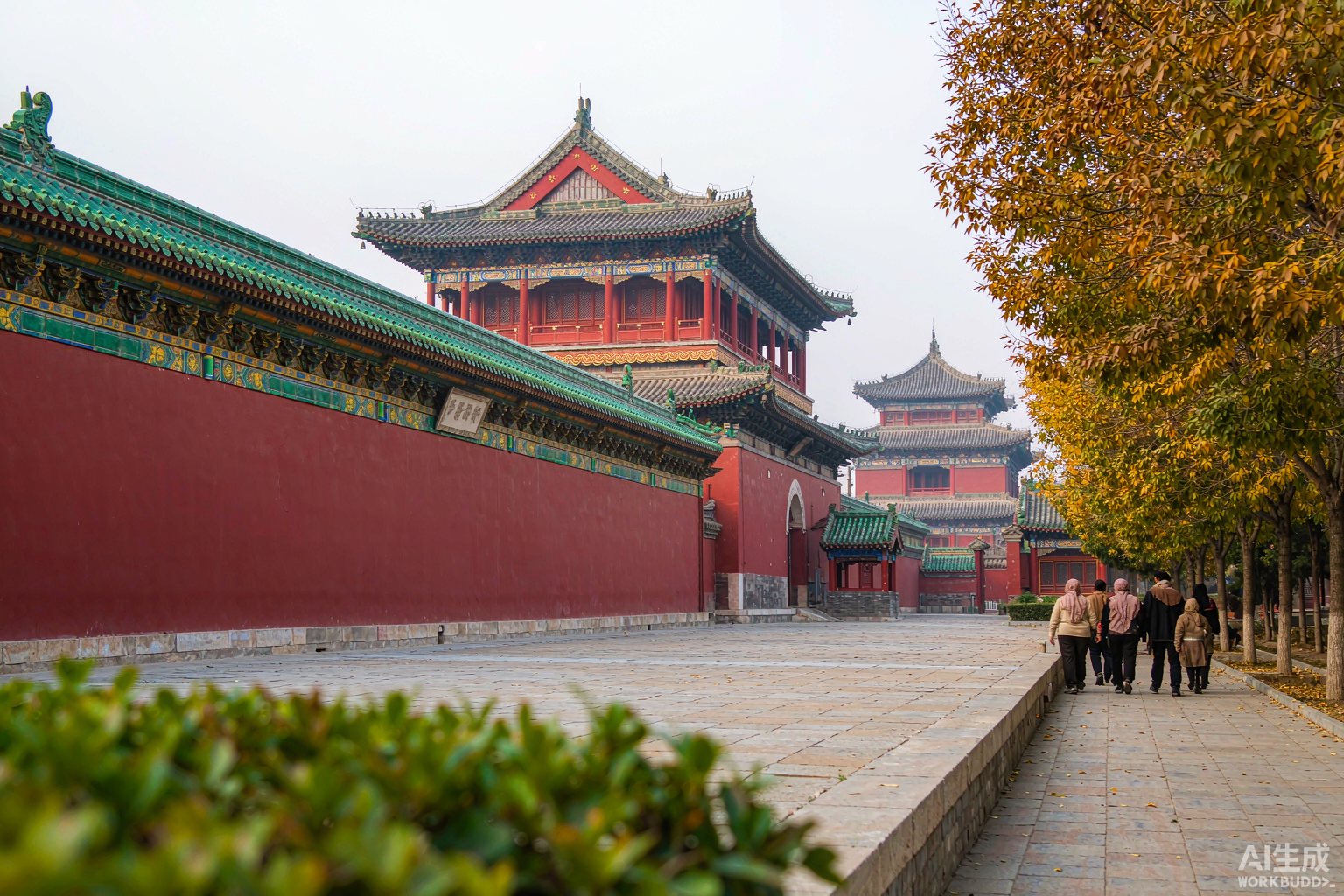 5 daysCulture & Heritage
The old Manchu capital, whose imperial palace predates Beijing's, plus the Hui quarter around the South Mosque.
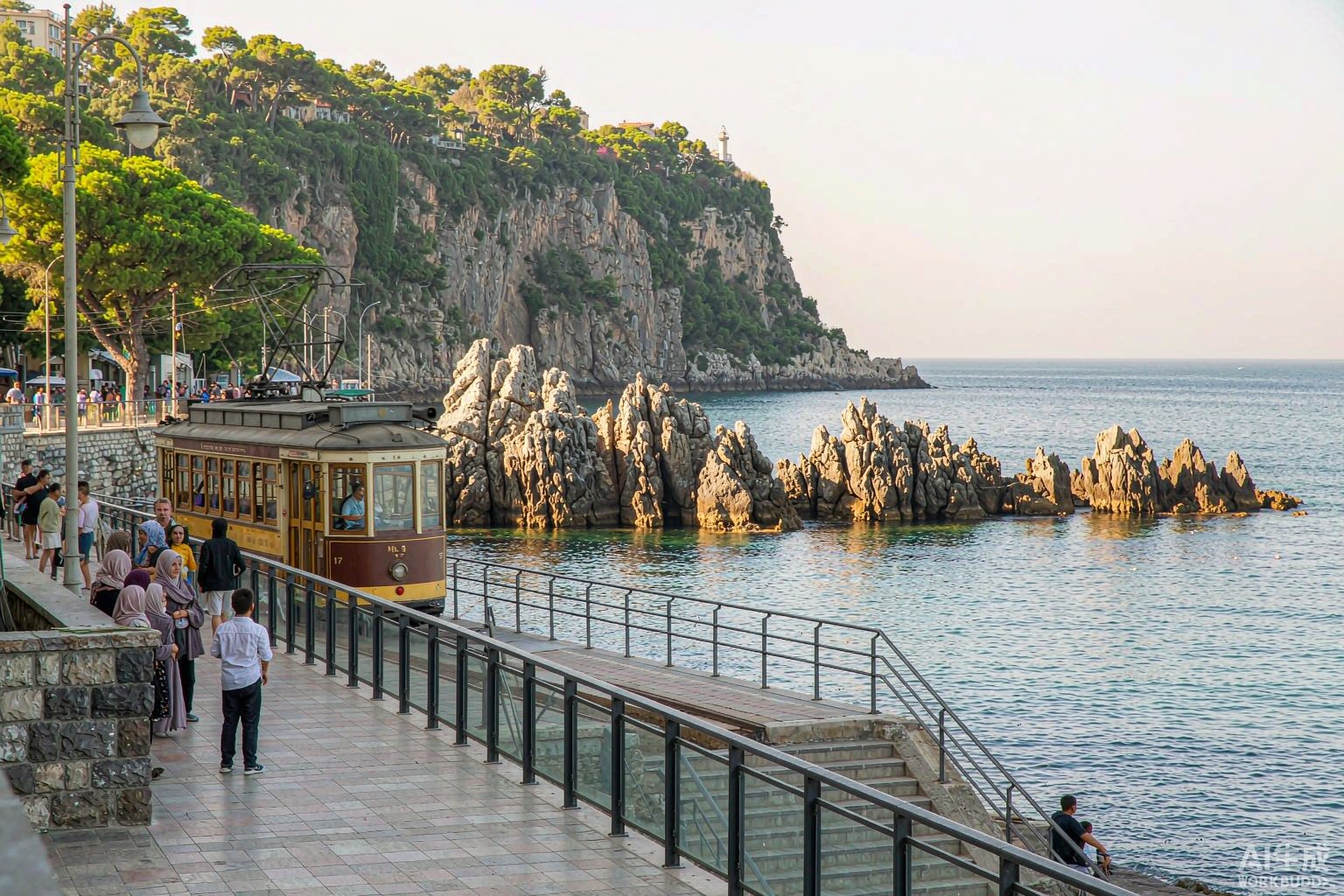 5 daysClassic Highlights
The mildest city in the northeast: cliff coast roads, 1930s trams still running, a Russian quarter and good beaches inside the city limits.
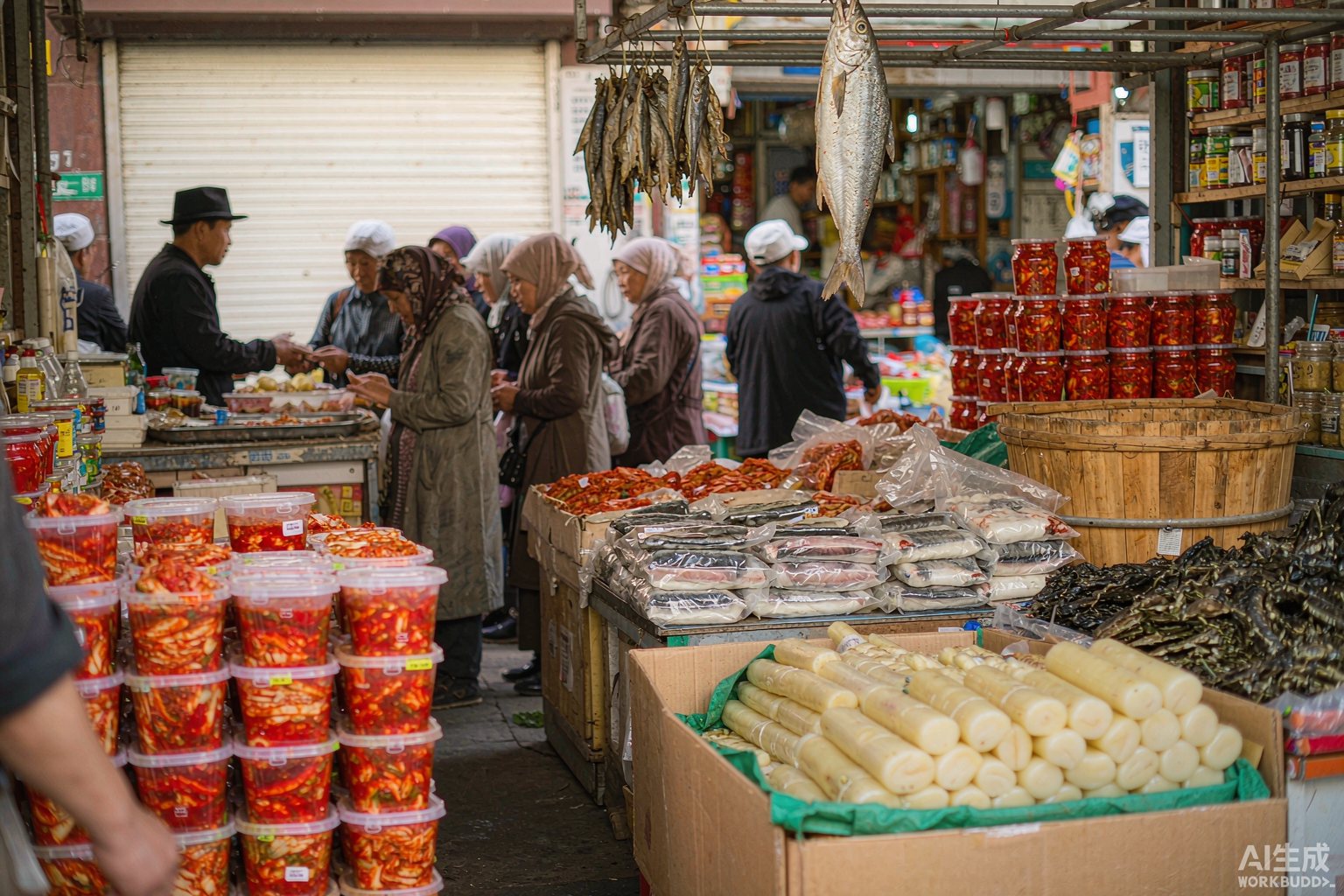 6 daysHalal Food
The strangest and best food city in the northeast, where every sign is bilingual and Hui families run Korean barbecue.
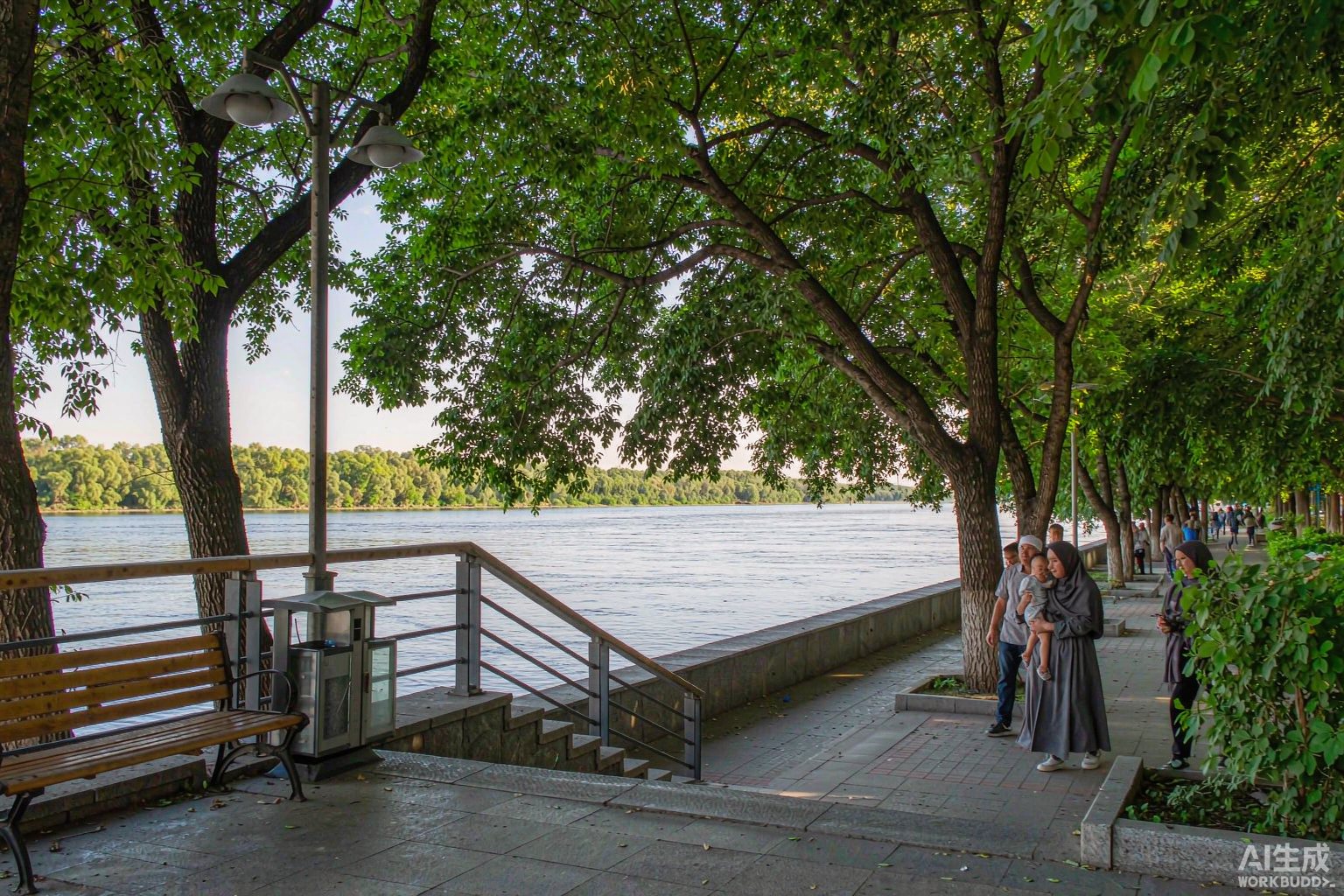 8 daysNature & Highlands
The northeast in summer is green, cool and almost empty of foreign visitors.
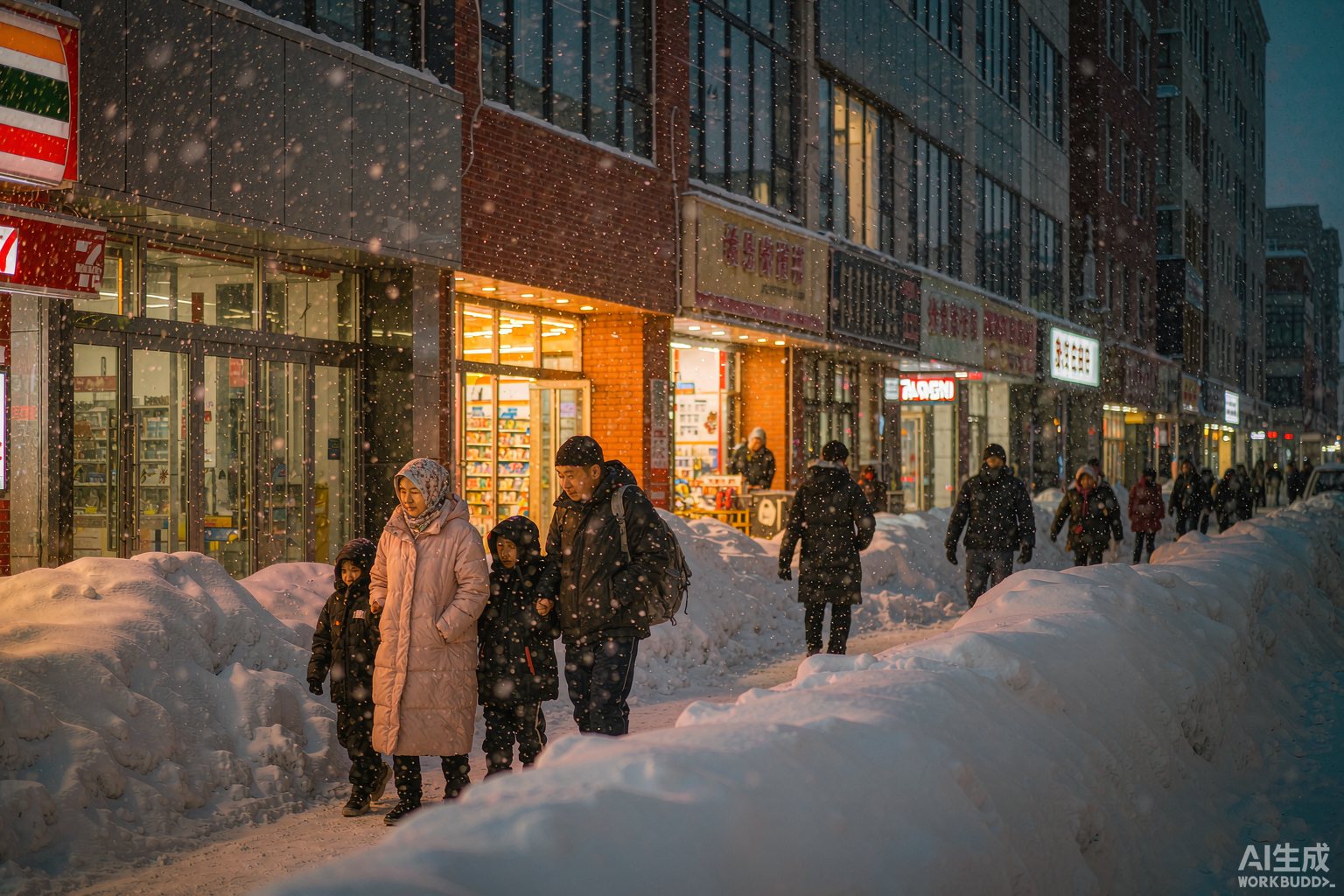 9 daysWinter Snow
Nine days built for children in real cold.
The six routes above are the ones we build for Northeast China specifically. These are the fixed entries from our main catalogue that also touch it.
6 cities and counties, each one with halal restaurants we have audited, a mosque we have used and a reason to stop.
The ice capital: Russian-influenced architecture, the world's largest ice festival, and a Hui community whose halal restaurants are the best thing about eating here in winter.
A planned city of wide boulevards and parks, capital of Jilin, with Manchurian and Korean food cultures and a Hui community well established since the railway arrived.
The old Manchu capital, with an imperial palace predating Beijing's Forbidden City and a substantial Hui community in the streets around the South Mosque.
The border city on the Yalu river, facing across to Korea, with the eastern end of the Great Wall in the hills behind it and a Hui community on the riverfront.
A port city on the Yellow Sea with hills, trams, Russian and Japanese architecture and a genuinely good coastline. The mildest city in the northeast and the best seafood.
The Korean-Chinese city on the Tumen river, where every sign is bilingual, kimchi is a staple and a Hui community runs halal Korean cooking. One of the most unusual food cities in China.
Not a list of every mosque — the ones we actually build into itineraries, with women's prayer space and wudhu facilities confirmed.
Shenyang
Founded in the 1620s–1630s, the oldest and largest mosque in north-east China and the heart of Shenyang's Hui district.
Harbin, Daowai
Dating from 1897, serving Harbin's Muslim community in the old Daowai district — a good prayer stop on a city day.
Dalian
A smaller community mosque serving the port city, useful on the Liaoning coast leg.
Jilin
Muslim facilities are limited in the mountain area, so we confirm a prayer room at your hotel and keep a prayer mat in the vehicle.
Dalian
Central and active, close to the coastal sights we use on the Liaoning loop.
Yanji
The Hui mosque in the Korean-Chinese city, and the reason halal Korean barbecue is possible here at all.
A Hui pan-fried beef pastry unique to Shenyang — flaky, filled, and the city's best-loved Muslim snack.
North-eastern dumplings, boiled or pan-fried, in the Hui version made with lamb and cabbage.
The north-east's cold-weather staples: crisp beef pies and a hot pot to sit around.
Harbin's food culture is Russian-influenced, so we book specific halal kitchens rather than walk into anywhere. Bread, potatoes, stews and grilled meat.
The north-east's answer to winter. Muslim-run broth, hand-sliced mutton, and no alcohol on the premises.
Street food that carries a family through a minus-twenty afternoon, plus a cold noodle that is worth a summer trip on its own.
A city of illuminated ice blocks, best entered in the late afternoon so you see it in daylight and at night.
The Russian-era heart of the city, and the frozen Songhua River beside it.
The Manchu palace that predates Beijing's Forbidden City as an imperial seat.
The South Mosque and the surrounding halal food streets.
A volcanic crater lake on the North Korean border, stunning in summer and accessible in winter with the right gear.
Skiing in China's oldest resort area, if you want more than sightseeing.
A working skeleton, not a fixed package. We rebuild it around your dates, your prayer needs and whoever is travelling with you.
Land at HRB, warm up, evening on Central Street. Harbin Mosque for salah.
Ice and Snow World in the late afternoon and evening, with a warm prayer stop between.
Songhua River, St Sophia, and a booked halal kitchen for lunch.
High-speed rail in about 2 hours. Afternoon at the Shenyang Imperial Palace.
South Mosque, the Hui district, and lunch at one of the old halal restaurants.
Fly or drive to Changbaishan for the crater lake in summer, or down to Dalian on the coast.
Fly out from Shenyang, Dalian or Changchun.
Taiping International — direct flights from Beijing, Shanghai, Guangzhou and Seoul, and high-speed rail from Shenyang in about 2 hours.
Taoxian International, the north-east's main hub, with rail links across Liaoning and Jilin.
Zhoushuizi International on the coast, useful if you want to finish by the sea.
The mildest entry point in the north-east, useful if you want to start on the coast and work north.
Direct from Beijing and Seoul, and the fastest way into the Korean-Chinese food city.
The line runs through snow and is far more reliable than driving in January, so our winter routes are built on rail.
December to February for the ice festival and the frozen river — expect −20 °C or colder in Harbin, so we plan indoor prayer stops and short outdoor blocks. June to September for a green, cool, comfortable version of the same region with Changbaishan at its best. Late September and early October are the brief autumn-colour window.
Send your dates and who is travelling. A Muslim advisor replies within one hour during China working hours with a day-by-day halal plan for Northeast China — restaurants, mosques, prayer times, hotels and an itemised price.