Every trip is 100% halal. Certified kitchens, no pork, no alcohol — verified before you fly.
Ramadan & Eid departures with suhoor boxes and iftar tables reserved in advance.
Free itinerary in 24 hours. Send your dates on WhatsApp — no obligation, no card needed.
EN ع
HomeToursQinghai & Gansu
Halal travel by region · the Hui heartland

Qinghai & Gansu Halal Tours

Qinghai and Gansu are the two provinces where Islam in China is not a minority curiosity but everyday life — this is where the Hui heartland begins, where halal is the default rather than the exception, and where you will hear the adhan on the street without looking for it.

Provinces: Qinghai · Gansu Muslim population: Hui, Salar, Dongxiang, Tibetan Muslims — roughly 1 in 4 people in Xining Best months: May to early October Altitude: Xining 2,275 m · Qinghai Lake 3,200 m 100% certified halal dining Prayer planned into every day
Overview

What a halal trip to Qinghai & Gansu actually looks like

Xining, the capital of Qinghai, sits on the edge of the Tibetan Plateau at 2,275 m. Its Dongguan Grand Mosque is one of the largest in China, and it is surrounded by a quarter where halal butchers, bakeries and noodle shops line the road for blocks. Two hours out of the city, Qinghai Lake — the largest saltwater lake in China — sits at 3,200 m among Tibetan nomad grassland. It is the single most photographed halal-friendly landscape in the country.

Gansu is the waist of the Silk Road. Lanzhou is the city that gave the world hand-pulled beef noodles, a dish that was halal at its invention and still is in almost every shop that sells it. West of Lanzhou the corridor runs through Wuwei, Zhangye's rainbow mountains, Jiayuguan's desert fortress and finally Dunhuang, where the Mogao Caves hold 1,600 years of Buddhist art and the night market is full of halal lamb skewers.

For a Muslim traveller, this is the easiest region in China to relax in: prayer rooms are normal, halal signage is everywhere, and nobody needs the concept explained. If you only have one trip to halal China, most of our advisors would send you here.

The halal guarantee on every Qinghai & Gansu itinerary: certified halal restaurants only, no pork and no alcohol on the premises, the full list with addresses sent before you fly, and your guide re-checking each booking the day before you eat there.

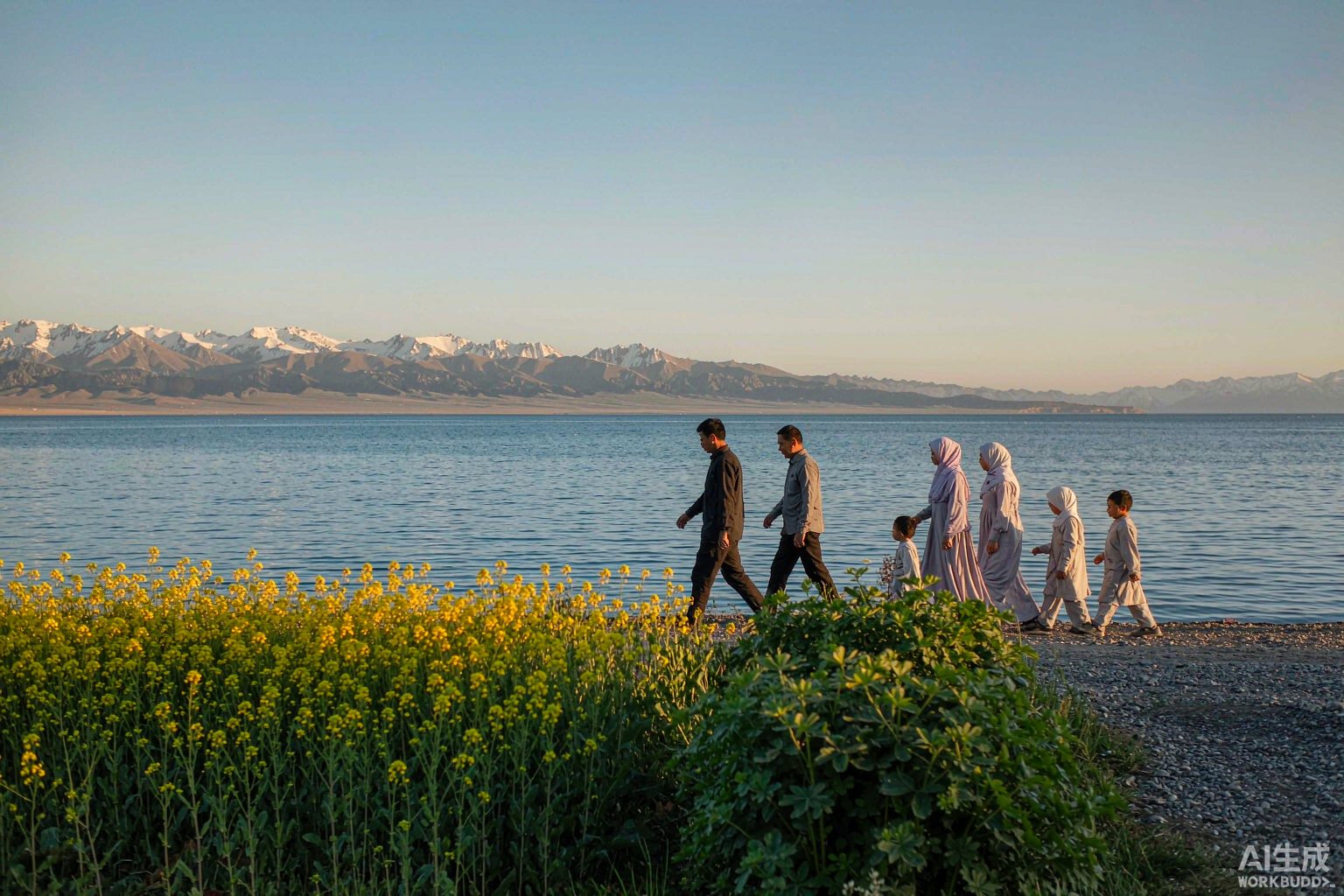
Qinghai Lake at golden hour with rapeseed fields and snow ridges, and a Muslim family walking the shoreline path
Qinghai & Gansu — the Hui heartland. Illustration of the province. Our own photography replaces these as each route is re-shot.
ProvincesQinghai · Gansu
Muslim populationHui, Salar, Dongxiang, Tibetan Muslims — roughly 1 in 4 people in Xining
Best monthsMay to early October
AltitudeXining 2,275 m · Qinghai Lake 3,200 m
Gateway airportsXining XNN · Lanzhou LHW
Halal densityVery high — halal is the default in Xining and Lanzhou
Muslim travel

Why Qinghai & Gansu works for Muslim travellers

Islam is mainstream here, not a minority story

Xining and Lanzhou have Muslim quarters where the mosque is the centre of the neighbourhood. You will pass several a day without trying, and every one we use has a women's prayer area and wudhu facilities.

Halal is the default, not a request

Around Dongguan Mosque in Xining and the Xiguan Mosque area in Lanzhou, entire streets are halal. Your guide does not have to negotiate — we simply eat where everyone eats.

Plateau landscapes with prayer stops built into the drive

Qinghai Lake, Tongren and the Gansu corridor involve long driving days. We plan them around salah: known mosques, clean rest stops with a prayer room, and jamaat on the road where the schedule allows.

A thousand years of Chinese Muslim history you can walk through

Dongguan Grand Mosque, the Hui quarter of Lanzhou, Xiahe's Muslim traders beside a Tibetan monastery — this is where you see how Chinese Muslims have lived alongside other faiths for centuries.

Halal food survives the long corridor drives

The Lanzhou to Dunhuang road is not a halal desert. We pre-book a Muslim kitchen at every overnight stop and carry a packed halal lunch for the days when the driving runs long.

You eat with the people who cooked for you

In Linxia and Xining we book family-run courtyards where the owner sits down at the table with you. That is not staged for visitors, it is simply how business is done here.

Six routes

Six Qinghai & Gansu routes you can open right now

Six different ways to do Qinghai & Gansu. Each one has its own page with a day-by-day plan, its own certified halal restaurant list and its own mosque sheet. All six are private departures — no shared coach, no fixed calendar.

Also available

Published packages covering Qinghai & Gansu

The six routes above are the ones we build for Qinghai & Gansu specifically. These are the fixed entries from our main catalogue that also touch it.

Cities

Every city our Qinghai & Gansu routes cover

8 cities and counties, each one with halal restaurants we have audited, a mosque we have used and a reason to stop.

Xining (Qinghai)

QinghaiBest months: May to early October. July is greenest and busiest, September is cooler and quieter.
Full city guide

Our home base, and the easiest halal city in China to land in. Roughly one person in four here is Muslim, Dongguan Grand Mosque sits inside the oldest market streets, and beef noodle shops unlock their doors before Fajr.

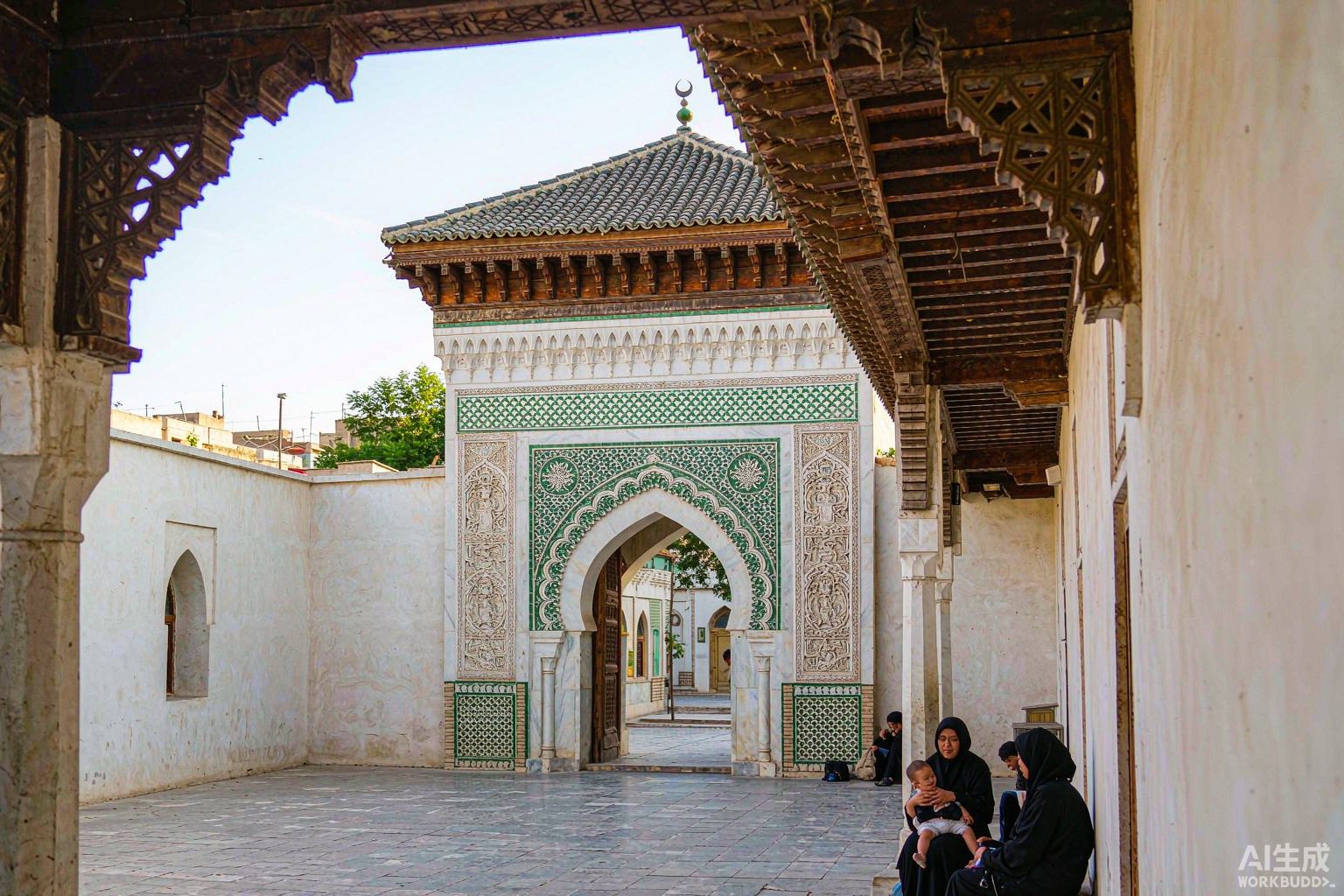
Dongguan Grand Mosque — One of the largest mosques in northwest China, with a vast courtyard, a separate womens prayer hall and wudhu facilities on site. Jumuah draws tens of thousands, and the surrounding streets are lined with halal butchers and bakeries.
Kumbum Monastery, Huangzhong — A 16th-century Tibetan Buddhist monastery half an hour south of the city, known for its butter-sculpture hall and its painted corridors. We visit as heritage and architecture, never as worship.
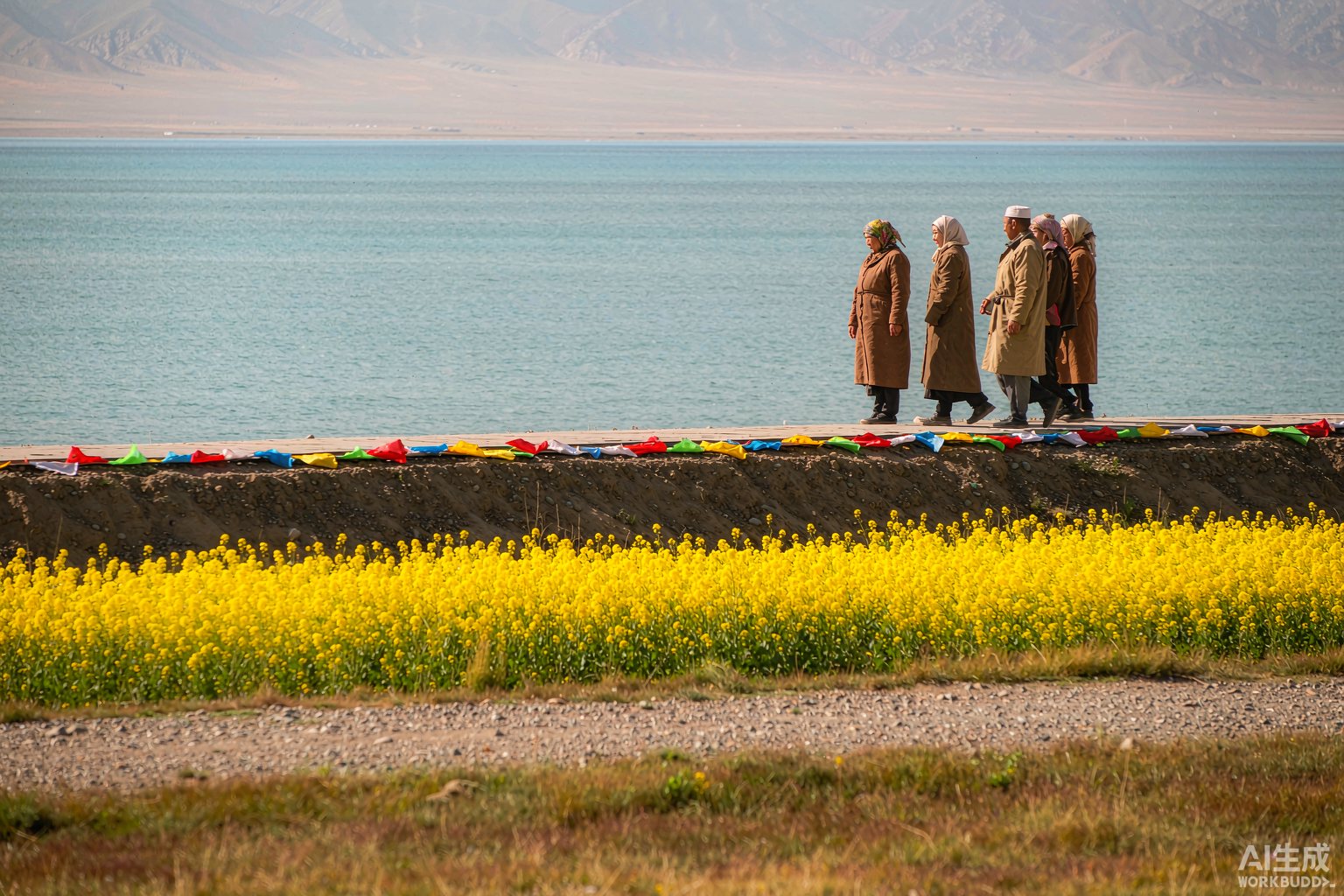
Qinghai Lake shoreline — 3,200 m and about two and a half hours west. Grassland, yak herds and very wide skies; from June the rapeseed along the approach road comes into flower.
Qinghai hand-grabbed mutton, beef lamian for breakfast, yak yoghurt and sweet eight-treasure tea. In Xining halal is the default rather than the exception, so you can walk into almost any street-corner restaurant.
Dongguan Grand Mosque — Five minutes on foot from the hotels we book. Jumuah around 13:30 in winter and a little later in summer.
Xining Caojiabao (XNN), 30 minutes from the centre. Direct flights from Beijing, Xian, Chengdu, Guangzhou and Urumqi.
Xiahe (Gansu)

GansuBest months: June to September. Winter is very cold and some grassland camps close.

A single-street town at 2,900 m on the edge of the Tibetan plateau, built around Labrang Monastery. The surrounding grassland is grazed by nomad families, and the halal restaurants here are run by Hui Muslims who arrived with the caravan trade.

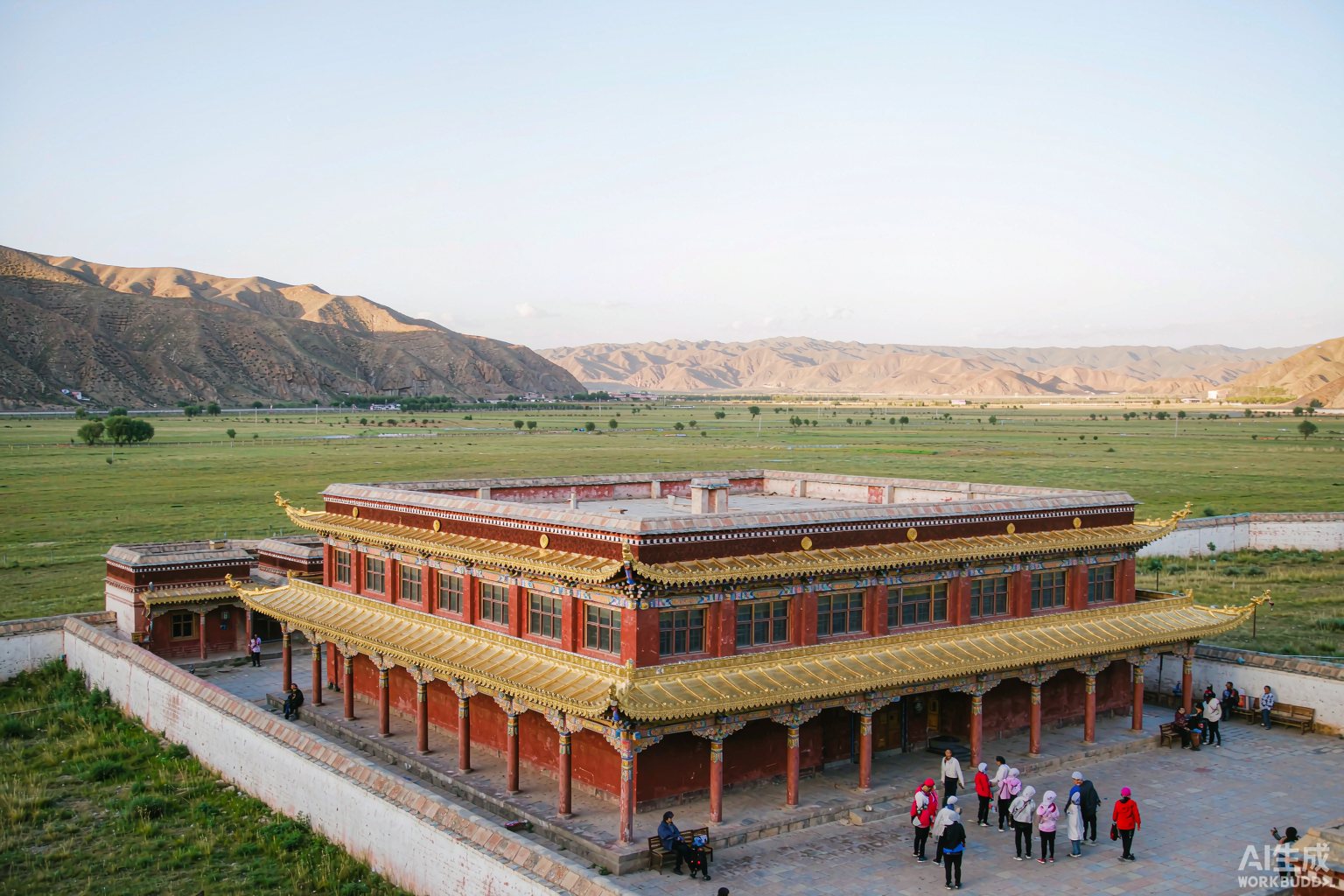
Labrang Monastery — One of the six great monasteries of the Gelug tradition, with a 3km circumambulation corridor of prayer wheels. We visit as architecture and living heritage; your guide explains what you are seeing and we never join in worship.
Sangke grassland — Forty minutes out by road. Wide summer pasture with nomad tents, and in July and August the tent restaurant season is in full swing.
Ganjia plateau — Old rammed-earth fortress walls and limestone gorges, quieter than Sangke and an easy half-day loop.
Hui-run halal restaurants along the main street serve hand-pulled noodles, yak beef, mutton skewers and butter tea. Choices are fewer than Xining but the food is genuinely good and reliably halal.
Xiahe Hui mosque — Small, on the main street, and used by the Hui families who run the restaurants. Wudhu available.
Four hours by road from Lanzhou, five from Xining. Overland only; we pair it with Linxia or with a Xining return.

Lanzhou (Gansu)

GansuBest months: April to October. Winters are dry and cold but the city works fine year-round.
Full city guide

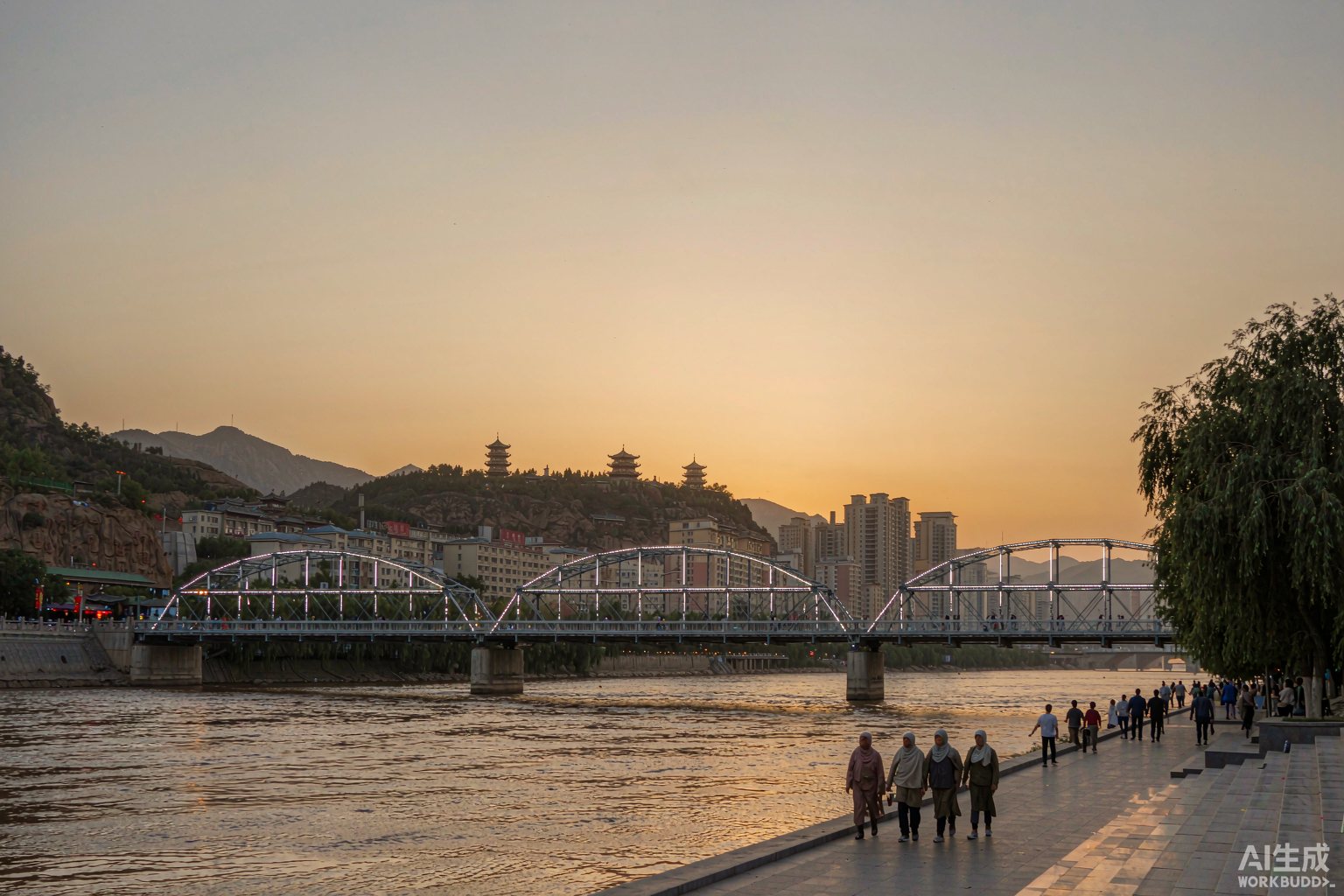
A long, narrow city strung along the Yellow River, and the birthplace of Lanzhou lamian. Hui and Dongxiang Muslims are everywhere in the food culture here, and the riverfront park is where the city walks in the evening.

Yellow River waterfront — The river that made northern China runs right through the middle of town. Take the cable car up to White Pagoda Hill for the whole valley, then cross back on the old iron bridge at dusk.
Gansu Provincial Museum — Silk Road galleries, Buddhist sculpture from the Mogao cave system and the famous bronze galloping horse. Free entry, and a quiet indoor hour that fits neatly between Dhuhr and Asr.
Lamian at dawn — The hand-pulled beef noodle shops open around 5am. Watching a master stretch one ball of dough into a bowl of noodles takes about ninety seconds.
Lanzhou beef lamian for breakfast, hand-grabbed mutton, Dongxiang-style lamb, and sweet fermented barley drinks. The city has one of the densest concentrations of halal kitchens in China.
Lanzhou Xiguan Mosque — Central, active and easy to combine with the riverfront walk. Wudhu facilities on site.
Lanzhou Zhongchuan (LHW), 70km north with a rail link. High-speed trains from Xian in three hours and from Xining in one.

Linxia (Gansu)

GansuBest months: May to October. Spring and autumn are mild; the loess hills are brown in winter and green from June.

Often called the little Mecca of China. A prefecture where Hui, Dongxiang, Salar and Baoan Muslims make up well over half the population, with eight grand mosques inside one small city and a brick-carving tradition that has survived four centuries.

Bafang old quarter — A dense grid of Hui courtyard houses and workshop streets. This is where the traditional brick and wood carving Linxia is famous for was made, and where you still find it being made.
The eight grand mosques — Different architectural schools sit within a few streets of each other: Chinese temple-style with curved eaves, and newer domed and minareted buildings. Walking between them is the whole point.
Dongxiang countryside — Terraced loess hills an hour out, farmed by Dongxiang Muslim families. Flatbread from a tandoor, mutton stew, and almost no other visitors.
Dongxiang hand-pulled noodles, whole roasted lamb, mutton and potato stew, and thick Hui flatbread from clay ovens. Every restaurant in the old quarter is halal.
Linxia Old Town Grand Mosque — Active, welcoming, and the natural place to pray Jumuah if your dates put you here on a Friday.
Two hours by road from Lanzhou, three from Xining. No airport; we drive it as part of a corridor or heritage route.

Wuwei (Gansu)

GansuBest months: May to October; July and August are hot but the evenings are pleasant.

A Hexi Corridor farming city on the old caravan road, flat and green against desert on both sides. Small enough to see in a day, and a natural first night out of Lanzhou on the way west.

Confucius Temple and the Western Xia stele — One of the largest Confucian temple complexes in northwest China, holding a bilingual Tangut-Chinese stele that helped scholars read the lost Western Xia script.
Tianti Mountain grottoes — Cliff-cut Buddhist caves above an oasis reservoir, an hour out of town, with a boardwalk along the rock face.
Desert edge farmland — Irrigated melon and vegetable fields on the edge of the Tengger desert; in August the roadside seed melon stalls are worth a stop.
Hui-run halal restaurants cluster near the old city gate: lamb skewers, hand-pulled noodles and a local cold noodle dish eaten through summer.
Wuwei Dongguan Mosque — Central and active. Your guide confirms prayer times the day before you arrive.
High-speed rail from Lanzhou in about two and a half hours. No airport in regular use for tourists.

Zhangye (Gansu)

GansuBest months: June to September. The Danxia colours are strongest after rain, and the poplars turn gold in October.

Oasis city under the snow-capped Qilian mountains, where the Silk Road ran between desert to the north and high pasture to the south. The rainbow mountains nearby have made it famous, but the city itself is quiet and very walkable.

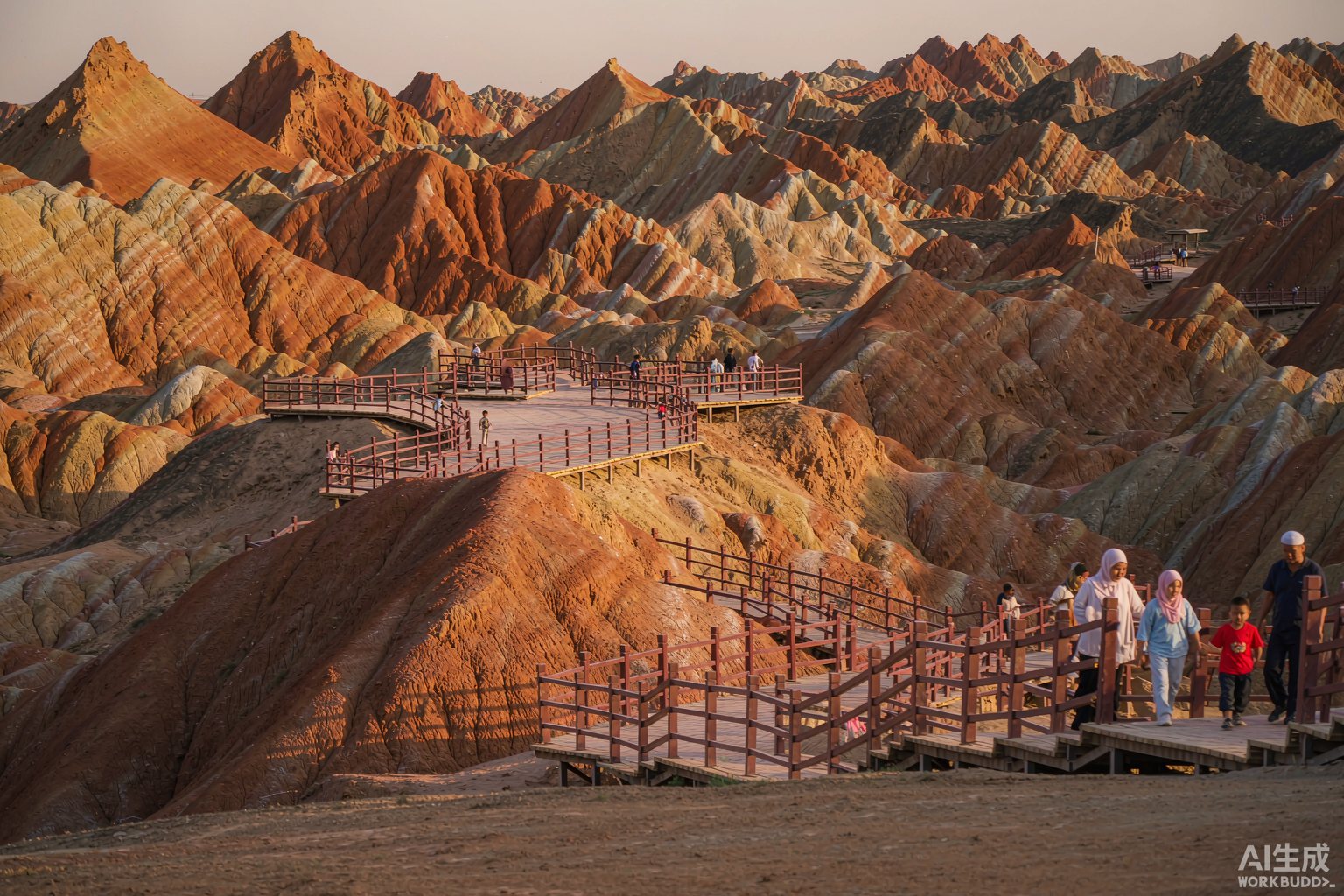
Danxia rainbow mountains — Banded red, yellow and grey sandstone ridges about an hour east of the city. Best light is late afternoon; there are four viewing platforms connected by shuttle buses.
Dafo Temple — A resting Buddha 35 metres long, made of clay over a wooden frame, in a hall built in 1098. Marco Polo wrote about this city and probably this temple.
Matisi grottoes — Caves cut into a cliff face high in the Qilian foothills, two hours south, with almost nobody else there.
Zhangye halal restaurants serve lamb offal soup for breakfast, hand-grabbed mutton, and a cold wheat-starch noodle with vinegar and chilli oil. Your guide pre-books the ones we have audited.
Zhangye Dongguan Mosque — Near the old centre, with a prayer hall and wudhu. Jumuah is straightforward here.
High-speed rail from Lanzhou in about five hours, from Dunhuang in about six. Zhangye Ganzhou airport has limited flights.

Jiayuguan (Gansu)

GansuBest months: May to October. Summer is hot and dry; bring a hat for the ramparts.

The western end of the Ming Great Wall, where the fortified corridor between desert and mountain finally closes. A compact, modern city built around one of the most complete fortress complexes in China.

Jiayuguan Fort — A full walled garrison with corner towers, a moat and an inner and outer city, restored but not rebuilt. Climb the ramparts for desert on one side and snow mountains on the other.
Overhanging Great Wall — A stretch of wall running up a ridge half an hour from the fort, built to look as though it is hanging from the hillside.
Wei-Jin tomb murals — Underground brick chambers with 1,700-year-old painted bricks showing farming, hunting and cooking.
Hui halal restaurants near the fortress serve lamb skewers, hand-pulled noodles and a local grilled lamb chop. Fewer choices than Lanzhou, so we pre-book.
Jiayuguan mosque — A small active mosque in the city; we plan the fort visit around your prayer times.
High-speed rail from Dunhuang in about two hours, from Zhangye in about two and a half. Jiayuguan airport has flights from Xian and Lanzhou.

Dunhuang (Gansu)

GansuBest months: May to October. July and August are very hot; September has the best light on the dunes.

Where the Silk Road split around the Taklamakan desert. A small city beside the Mogao cave system and the singing sand dunes, with a night market that has been feeding travellers for a thousand years.

Mogao Caves — Around 490 decorated caves cut into a cliff between the 4th and 14th centuries, holding murals and painted sculpture. Entry is rationed and booked in advance; your guide holds your slot.
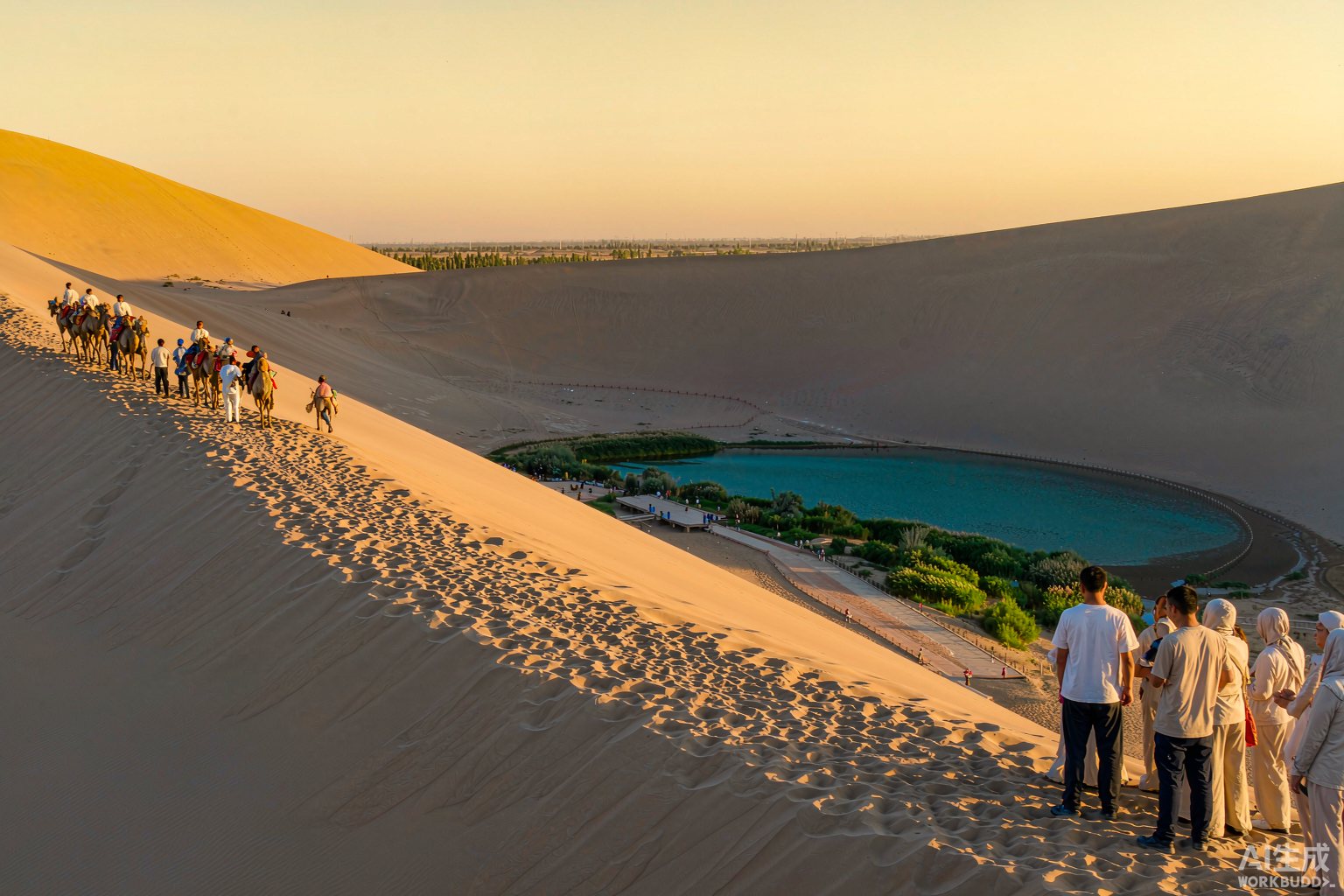
Mingsha sand dunes and Crescent Lake — Dunes on the edge of town you can climb at sunset, with a spring-fed lake in the lee that has not dried up in recorded memory.
Yumen Pass and the Han wall — Rammed-earth beacon towers and wall stubs two hours west, out in open desert where the road genuinely ends.
Dunhuang halal restaurants serve donkey-meat-free Hui dishes, hand-grabbed mutton, lamb skewers and a famous almond-flavoured milk dessert. The night market has a clearly signed halal row.
Dunhuang mosque — A modest active mosque in town. Prayer rooms are also available at the dune park entrance.
Dunhuang Mogao (DNH) airport with flights from Xian, Lanzhou and Beijing. High-speed rail from Jiayuguan in two hours.
Mosques

Where you pray in Qinghai & Gansu

Not a list of every mosque — the ones we actually build into itineraries, with women's prayer space and wudhu facilities confirmed.

Dongguan Grand Mosque

Xining, Qinghai

Founded in 1380 and one of the four largest mosques in China. Its Chinese-palace roof and the scale of the Friday congregation surprise almost every visitor. Ten minutes' walk from the halal food street.

Xiguan Mosque

Lanzhou, Gansu

The main mosque of Lanzhou, rebuilt in an unmistakable green domed style, standing right on the edge of the city's halal restaurant district.

Labrang-area Muslim quarter

Xiahe, Gansu

Xiahe is famous for its Tibetan monastery, but the town's Hui traders have kept a mosque and a halal restaurant street there for generations — an easy, fascinating stop.

Salar Mosque and Hui villages

Xunhua, Qinghai

The Salar are a Turkic-speaking Muslim people settled along the Yellow River. Their villages and mosques make a genuinely unusual half-day off the Xining–Tongren road.

Linxia Old Town Grand Mosque

Linxia (Gansu)

The anchor of a small city with eight grand mosques inside a few streets. If your dates land here on a Friday, we build the day around whichever one you want to join.

Dunhuang Mosque

Dunhuang (Gansu)

A modest, active mosque in the desert town, used by the Hui families who run the halal kitchens around the night market.

Prayer on the road: Both Xining and Lanzhou have mosques within walking distance of the hotels we book, and Jumu'ah is straightforward in either city. On the Qinghai Lake and Gansu corridor drives we plan the day around a mid-afternoon arrival at a rest stop with a prayer room, or we build in a mosque stop. Your guide carries a prayer mat, a compass and a current prayer-time sheet in the vehicle.
Halal food

What you eat in Qinghai & Gansu

Lanzhou hand-pulled beef noodles

Invented by a Hui chef and halal by tradition. Clear broth, hand-pulled noodles, beef, chilli oil. Our drivers will detour for a good one.

Niangpi

Cold steamed wheat or starch noodles in chilli, vinegar and garlic — the standard Qinghai–Gansu street lunch, and halal almost everywhere.

Lamb skewers

Cumin, chilli, charcoal. The Dunhuang night market does hundreds of them an evening.

Steamed lamb and hand-pulled noodles

Plateau mutton from Qinghai is lean and clean-tasting; a family-style meal we book in Xining on most itineraries.

Hui clay-oven bread and eight-treasure tea

Bread baked in a sealed clay pot sunk into the ground, eaten with tea made from eight dried fruits and rock sugar. Breakfast in Xining and Linxia, and it travels well on a long drive.

Dongxiang hand-pulled noodles and whole roast lamb

Dongxiang cooking has its own rules and its own flavour: hand-pulled noodles in a lamb broth, and whole lamb roasted over charcoal for celebrations.

Highlights

What you actually see

Qinghai Lake

3,200 m of blue water ringed by Tibetan grassland — prayer space and clean facilities at our chosen stop.

Kumbum / Ta'er Monastery

One of Tibetan Buddhism's six great monasteries, a short drive from Xining and a straightforward visit in the morning before the crowds.

Tongren & the Salar villages

Thangka art, Muslim villages and the Yellow River gorge in a single day.

Zhangye Danxia

The rainbow-striped hills of the Gansu corridor at golden hour.

Jiayuguan Fort

The western end of the Ming Great Wall, standing alone in the desert.

Mogao Caves, Dunhuang

Almost 500 painted caves spanning ten centuries. Afternoon slots are quieter and easier on a prayer schedule.

Sample shape

How a Qinghai & Gansu trip tends to run

A working skeleton, not a fixed package. We rebuild it around your dates, your prayer needs and whoever is travelling with you.

1

Day 1–2 · Xining

Land at XNN, check in near Dongguan Grand Mosque, eat on the halal street, acclimatise. Day 2: Dongguan Mosque and Kumbum Monastery.

2

Day 3 · Qinghai Lake

Drive the south shore at 3,200 m. Overnight in a lakeside hotel with prayer facilities.

3

Day 4 · Tongren & Salar country

Thangka workshops and Muslim villages along the Yellow River. Optional jamaat with a local Salar congregation.

4

Day 5 · Lanzhou

Train or drive to Lanzhou. Xiguan Mosque, the Yellow River Mother sculpture, and beef noodles in the shop locals queue for.

5

Day 6 · Wuwei & Zhangye

Corridor driving, Wuwei's Confucian temple, then Zhangye Danxia at sunset.

6

Day 7 · Jiayuguan

The desert fortress and the Great Wall's western terminus.

7

Day 8 · Dunhuang

Mogao Caves, Crescent Moon Spring, and the halal night market for your last Gansu dinner.

Getting there

Airports and onward connections

Xining XNN

Caojiabao International Airport — direct flights from Beijing, Shanghai, Chengdu and Xi'an; the natural start for Qinghai.

Lanzhou LHW

Zhongchuan International Airport, plus high-speed rail to Xining in about 1 hour 20 and to Xi'an in about 3 hours.

Dunhuang Mogao DNH

A small airport with flights from Xian, Lanzhou and Beijing — the fastest way to finish a corridor route at the western end.

High-speed rail corridor Lanzhou to Dunhuang

The line stops at Wuwei, Zhangye and Jiayuguan, which lets us cut the long western drives without losing any of the sights.

Overland by private vehicle Whole route

Most of this region is best seen by road. Your vehicle and driver stay with you for the entire route, so the driving itself becomes part of the trip.

Arriving well Your first day

We place your first night in Xining or Lanzhou rather than at the end of a long road, so your first prayer in China is unhurried and your first halal meal is already booked.

Timing

When to go

May to early October is the comfortable window; late June to August is warmest at altitude and busiest at Qinghai Lake. Winter is dry and very cold but perfectly workable and much quieter, and the mosques are at their most peaceful.

Other regions

Halal travel in the rest of China

FAQ

Questions travellers ask us every week

It is the easiest introduction we offer. Halal food is the local norm rather than a special arrangement, mosque etiquette is familiar, and the pace is gentle because the sights are spread out and we drive between them.
Xining at 2,275 m is fine for most people. Qinghai Lake at 3,200 m can cause mild breathlessness for a few hours. We build in a full acclimatisation day in Xining first, keep the lake night short, and avoid strenuous walking there.
Yes. We plan each day so that at least one salah lands at a mosque or a rest stop with a prayer room, and we stop the vehicle for jamaat if the timing falls between towns. Your guide is a practising Muslim.
Genuinely halal. In Xining and Lanzhou the restaurants we use are certified halal with no pork or alcohol on the premises. You get the full list with addresses before you fly, and your guide re-checks each booking the day before.
All three fit naturally. Xiahe adds two days, Dunhuang needs one more day at the western end of the corridor, and Tibetan areas require the correct permits, which we arrange for you.

Let us plan Qinghai & Gansu for you

Send your dates and who is travelling. A Muslim advisor replies within one hour during China working hours with a day-by-day halal plan for Qinghai & Gansu — restaurants, mosques, prayer times, hotels and an itemised price.

What you get, free

  • Day-by-day halal plan for Qinghai & Gansu
  • Certified halal restaurant list with addresses
  • Mosque and prayer-time sheet for your exact dates
  • Itemised quote — hotels, guide, vehicle, tickets, meals
WhatsApp · reply in ~1 min WeChat ID youxuantrip Call our advisor