Halal Food in China: The Complete Guide to Eating Well and Eating Right
China counts more than 35,000 certified halal restaurants and a Muslim food culture that runs from Cantonese dim sum halls to lamb cooked at 3,000 metres on the Tibetan plateau. Here is how to find it, how to read it, how to order it — and the four traps that catch first-time visitors.
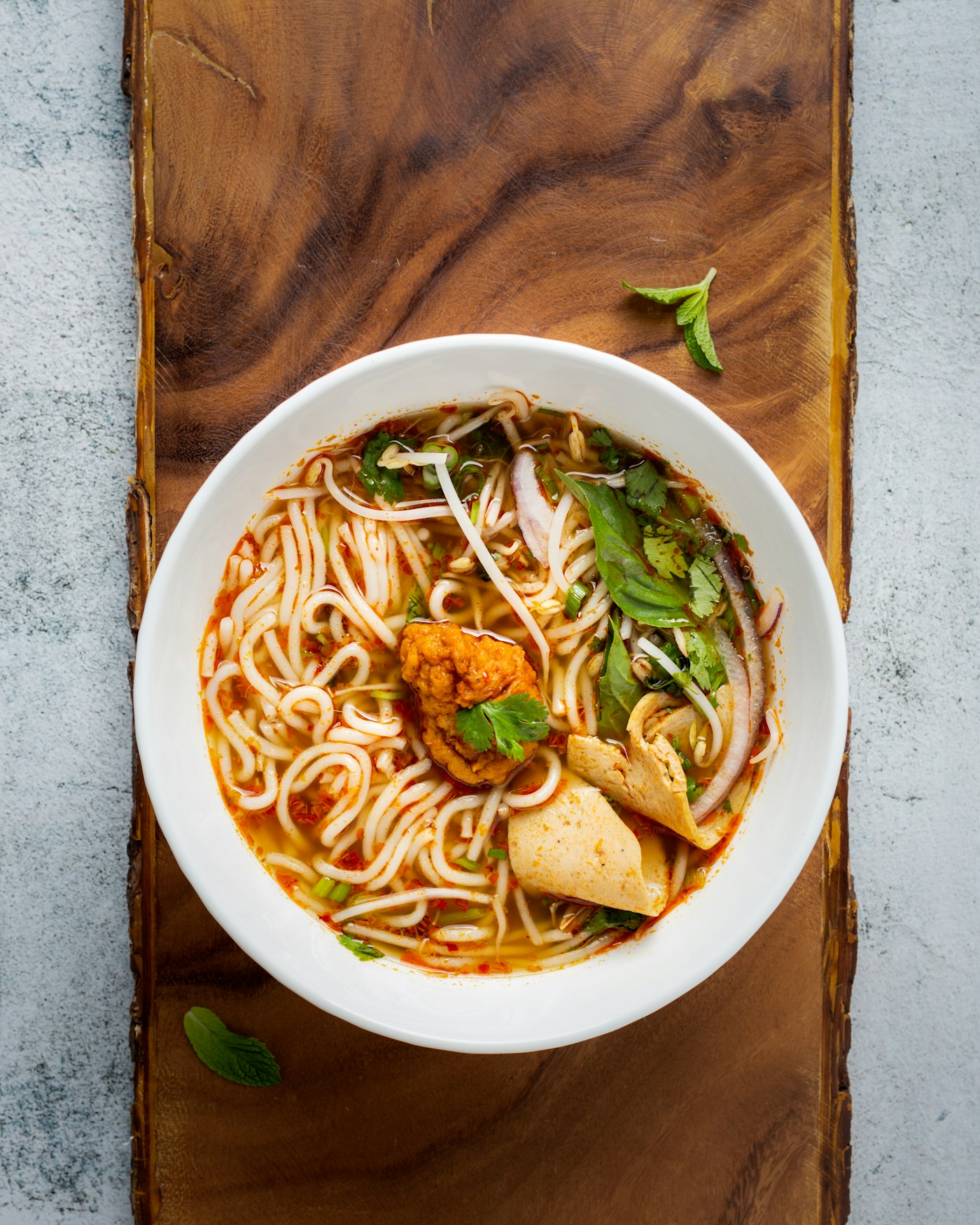
How big is halal China on a plate?
China is not a Muslim-majority country, but it is one of the easiest places in the world to eat halal for a month without repeating a dish. Industry counts put the number of certified halal restaurants above 35,000, and that number understates the reality on the street: in the northwest, halal is not a niche, it is the default. Walk out of Dongguan Grand Mosque in Xining and almost every door within five minutes serves halal food. Inside the walls of Xi'an (Shaanxi ), the Muslim Quarter runs to hundreds of halal kitchens within a few streets.
Two things surprise first-time visitors. The first is regional variety: Hui food in Shaanxi, Salar food in Qinghai, Uyghur food in Xinjiang, Dongxiang and Bao'an cooking along the Gansu corridor, and a completely separate halal Cantonese tradition in Guangzhou that has been there since the seventh century. The second is price. A serious bowl of hand-pulled beef noodles costs the equivalent of two to three US dollars, and a table of ten eating grilled lamb, pilaf, naan and tea rarely costs more than a single main course in London.
What halal means in China
The word you need is qingzhen — the Chinese term for halal. It is painted on shopfronts, printed on packaging and stamped on certificates, and it is the single most useful character pair you will learn on a China trip.
In practice qingzhen in China means the same thing it means anywhere: no pork and no pork derivatives, no lard or non-halal fat, no alcohol in the food or on the premises, and animals slaughtered by a Muslim with the tasmiyah recited. Where it differs is in who enforces it. Oversight is handled at provincial and municipal level rather than by one national body, so the strength of certification varies. In Ningxia, Qinghai, Gansu and Xinjiang it is tightly policed and visibly displayed. In coastal cities with smaller Muslim populations it is still common, but you should look at the certificate rather than assume.
That is exactly why we do not ask you to guess. Every restaurant on a HalalTravelChina itinerary is one we have visited, checked and re-checked — see the audit note at the end of this guide.
Reading the signs and the menus
You do not need to read Chinese to identify a halal restaurant. Here is what to look for, in the order we teach it to our own new guides.
- The characters. Usually green or gold, sometimes with Arabic calligraphy beside them. If you can recognise these two characters you can read halal China at a glance.
- The certificate on the wall. In the northwest it is almost always displayed near the counter or the door. Ask — "qingzhen, yes?" is understood everywhere.
- The absence of pork. A halal menu in China has beef, mutton, chicken, fish and vegetables. If pork ribs appear anywhere on the menu, the kitchen is not halal, whatever the sign says.
- No alcohol on the tables. Certified halal restaurants in China do not serve beer. If the table next to you is drinking, treat the sign with suspicion.
- Who is cooking. In the Hui quarters of Xi'an, Xining, Lanzhou, Yinchuan and Kashgar, the kitchen is Muslim-owned and staffed. Your guide confirms it in the local language, not by looking at a sign.
One honest caveat: a small number of restaurants display for historical reasons while having drifted on sourcing. This is rare in the northwest and more common in cities with tiny Muslim populations. Travelling with a guide who can ask the right questions removes the risk entirely.
Six regional halal kitchens
Treat these as six different cuisines, because they are.
- Shaanxi — Xi'an. The most halal-dense city in China. Beef and mutton paomo (bread torn into broth), roujiamo, biangbiang noodles, persimmon cakes, and the greatest concentration of halal street food anywhere.
- Gansu — Lanzhou. Home of Lanzhou beef lamian: hand-pulled noodles in clear broth with radish, chilli oil, coriander and sliced beef. Breakfast food, eaten from six in the morning.
- Qinghai — Xining. Hui and Salar cooking at altitude. Hand-grabbed mutton, heavy cumin skewers, yak yoghurt, and eight-treasure tea poured all afternoon.
- Ningxia — Yinchuan. China's Hui autonomous region. Milder, sweeter, heavy on lamb and wheat; the most openly Muslim food culture on the list.
- Xinjiang — Urumqi, Turpan, Kashgar. Uyghur cooking: pilaf, laghman, cumin-crusted kebabs, samsa from tandoor ovens, naan from the bazaar, and melons that ruin you for melons elsewhere.
- Guangdong — Guangzhou. The oldest Muslim community in China and a genuinely different kitchen: halal Cantonese dim sum, halal roast duck, rice rolls and congee, served in halls near Huaisheng Mosque.
Beijing and Yunnan deserve honourable mentions — Niujie in Beijing for halal hotpot and sesame buns, and Yunnan for beef hotpot with mint and a fermented-bean dip.
Dishes worth planning a day around
Some food is worth the detour. If you only have ten days in China, these are the ten plates we build routes around.
- Lanzhou beef lamian — noodles pulled to order, thickness chosen by you, broth simmered overnight.
- Xi'an beef paomo — you tear the bread yourself, the kitchen returns it swimming in broth.
- Xinjiang pilaf — rice cooked in lamb fat with carrot, onion and raisins.
- Qinghai hand-grabbed mutton — boiled ribs, salt, cumin, chilli. Eaten with your hands.
- Uyghur kebabs — skewered over charcoal, cumin-heavy, sold from dusk.
- Beijing halal hotpot — copper pot, clear broth, sesame sauce, thin-sliced lamb.
- Halal Cantonese dim sum — har gow, siu mai and rice rolls made with beef and chicken instead of pork.
- Yunnan beef hotpot — mint, chilli and a fermented bean dipping sauce.
- Salar eight-treasure tea — sweet, nutty, refilled all afternoon in Xining tea houses.
- Yak yoghurt — thick and sour, served with sugar; the plateau's answer to a hot afternoon.
How to order with confidence
China is easier to eat in than it looks, and the language barrier is smaller than you think. Five tactics that work in every city on our list.
- Point. Most halal restaurants have picture menus or a display case of prepared dishes. Pointing is a complete ordering system.
- Say the two magic words. "Qingzhen" (halal) and "bu yao zhu rou" (no pork) are understood nationwide, and saying them signals that you care.
- Screenshot the dish name. Send us the dish you want in advance and we reply with the Chinese characters on your phone to show the waiter.
- Ask for the house dish. Small halal restaurants usually do three things extremely well. Ask which one, then order it.
- Let your guide order. On our tours the guide orders for the table, confirms the kitchen with the owner in Chinese, and steers you away from anything doubtful.
Portion sizes are generous and sharing is the norm. Order one dish fewer than you think you need, then add.
Four traps and how to avoid them
None of these are reasons to worry. They are reasons to travel with someone who knows.
- "No pork" is not the same as halal. A restaurant can remove pork from a dish and still cook it in non-halal fat or broth. The word you want is qingzhen, not "no pork".
- Broth and lard in the wrong places. Some Chinese kitchens use pork bone stock as a base even in vegetable dishes. In a certified halal kitchen this does not happen.
- Gelatin and shortening in sweets. Desserts and pastries outside halal quarters may contain non-halal gelatin. Buy sweets inside the Muslim quarter, or ask.
- Alcohol cooked into food. Shaoxing wine appears in some regional marinades. Again: certified halal kitchens do not use it, ordinary ones might.
Our rule is simple and we do not bend it: if we cannot confirm a kitchen, we do not eat there, and neither do you.
Tea, alcohol and the drinks table
China runs on tea, and the Muslim northwest runs on tea more than most. Expect jasmine, green and brick tea with meals, the sweet eight-treasure tea of Xining, and — in Xinjiang — black tea with milk and salt. None of it contains alcohol, and refusing a cup is the only real etiquette risk.
Alcohol is where visitors need to be alert. Beer and baijiu are standard on ordinary Chinese restaurant tables and are often poured for guests before anyone asks. In every restaurant we use there is no alcohol on the premises at all, so the question never arises. If you are invited to a business dinner outside our list, saying "I don't drink" plainly and early is normal, accepted, and rarely pressed.
For coffee, the big cities have everything; the small halal towns have tea. Plan accordingly.
How we audit every restaurant we use
This is the part nobody else publishes, so here it is. Before a restaurant goes on an itinerary, someone from our team eats there. We check the certificate on the wall, we read the full menu for pork or alcohol, we ask who supplies the meat, and we confirm whether the kitchen is Muslim-owned and Muslim-staffed. We note opening hours, whether there is a prayer space or a mosque within walking distance, and whether the seating works for a family.
We re-check every season. Restaurants change hands, and a place that was certified in March may not be in November. When a kitchen fails a re-check it comes off the list, and we tell you what replaced it.
The result is the list you receive before you fly: every meal of your trip, with the address, the opening hours, the dish to order and the nearest mosque. That is the difference between "halal-friendly" and what we actually sell.
On a HalalTravelChina itinerary every single meal is at a certified halal restaurant we have visited and re-checked. No pork, no alcohol, no shared kitchens, no guessing. We send the full list with addresses, hours and the dish to order before you travel.