Yanji (Jilin)
JilinThe Korean-Chinese city on the Tumen river, where every sign is bilingual, kimchi is a staple and a Hui community runs halal Korean cooking. One of the most unusual food cities in China.
The strangest and best food city in the northeast, where every sign is bilingual and Hui families run Korean barbecue. Halal bibimbap, kimchi made without shrimp paste, and the dawn market where the whole city shops.
This is a private departure, not a shared coach. You choose the dates, we rebuild the 6 days around them: Yanji, Harbin, in that order, with the halal restaurants and the mosques placed first and the sightseeing fitted around them.
The halal guarantee on this route: every restaurant is a certified halal restaurant with no pork and no alcohol on the premises. We send the full list with addresses before you fly, and your guide re-checks each booking the day before you eat there. Shenyang is easy: the South Mosque is central and active with a whole halal district around it. Harbin has the Daowai mosque and we plan around it. In the extreme cold, we shorten the time between prayer stops and keep the vehicle available as a warm space with a prayer mat. Changbaishan has limited Muslim facilities, so we confirm a prayer room at your hotel before you arrive.

Each one with what you actually see there, what you eat, where you pray and how you arrive.
The Korean-Chinese city on the Tumen river, where every sign is bilingual, kimchi is a staple and a Hui community runs halal Korean cooking. One of the most unusual food cities in China.
The ice capital: Russian-influenced architecture, the world's largest ice festival, and a Hui community whose halal restaurants are the best thing about eating here in winter.
A working skeleton, not a fixed package. We rebuild it around your dates, your prayer needs and whoever is travelling with you.
Yanji Chaoyangchuan (YNJ) airport, high-speed rail from Changchun in about two and a half hours. Your Muslim guide meets you at the gate with your name on a board. First stop is a hotel we have placed within walking distance of Yanji mosque, so Maghrib is a short walk rather than a negotiation. Dinner is already booked at a halal kitchen we have audited.
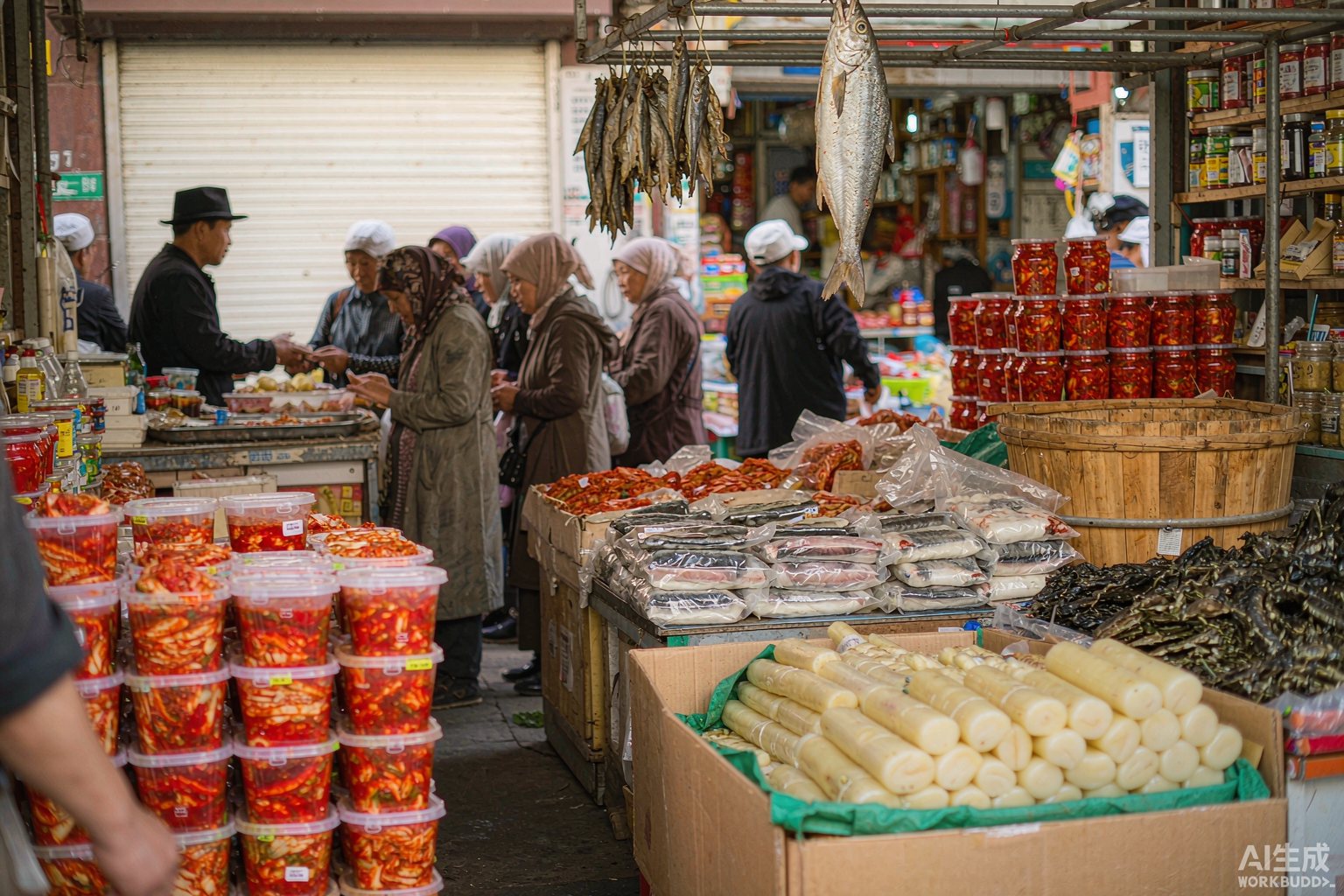
A dawn market of kimchi, rice cakes, dried fish and mountain vegetables, and the best place to understand this city.
Leave after Dhuhr and drive out. Harbin Taiping (HRB) airport, high-speed rail from Beijing in about five hours. Your guide breaks the drive for salah and for food rather than at a service station of his choosing. You arrive in time for Maghrib at Harbin mosque.
Full-scale buildings carved from ice blocks out of the Songhua river, lit from inside, open from late December to late February. Go after dark and dress for minus twenty-five.
A kilometre of cobbled pedestrian street with a Russian Orthodox church at one end and old merchant houses along it.
A last halal breakfast, then the transfer out. Harbin Taiping (HRB) airport, high-speed rail from Beijing in about five hours. We hold the vehicle until your flight is called, and if you are fasting we send a breakfast box the night before.
A dawn market of kimchi, rice cakes, dried fish and mountain vegetables, and the best place to understand this city.
The Hui mosque in the city, serving a small but long-established community.
Full-scale buildings carved from ice blocks out of the Songhua river, lit from inside, open from late December to late February. Go after dark and dress for minus twenty-five.
A kilometre of cobbled pedestrian street with a Russian Orthodox church at one end and old merchant houses along it.
No pork on the premises, no alcohol on the premises, and the full list with addresses in your inbox before you fly.
Salah is placed first and sightseeing is built around it, not the other way round. Your guide carries a mat, a compass and a prayer-time sheet.
No pork on the premises, no alcohol on the premises, and no kitchen that handles both. This is the part we audit in person.
Halal Korean cooking is the whole reason to come: Hui-run Korean barbecue with beef and lamb, halal bibimbap, cold noodles and kimchi made without shrimp paste. Your guide confirms each kitchen. Yanji mosque is nearby, so you can pray and eat on the same street.
Halal hotpot is genuinely the reason to eat in Harbin in winter: Muslim-run broths, hand-sliced mutton and skewers, plus Hui beef buns and a Russian-influenced halal bakery tradition. Harbin mosque is nearby, so you can pray and eat on the same street.
Not a list of every mosque in the province — the ones we actually build into this itinerary, with wudhu and women’s space confirmed.
Yanji
Small, central and active. Jumuah is small and friendly.
A small but real mosque in the city and a Muslim-run food scene around it. On the Fangchuan day we plan prayer in town before the long drive.
Harbin
A central historic mosque with a green dome, active and easy to reach. Wudhu inside, and warm, which matters in January.
The real issue in winter is cold, not access. We keep outdoor blocks to twenty minutes, hand off warm vehicles at each stop, and plan prayer in the mosque or in a heated mall room.
Yanji Chaoyangchuan (YNJ) airport, high-speed rail from Changchun in about two and a half hours.
Harbin Taiping (HRB) airport, high-speed rail from Beijing in about five hours.
May to October. September is the harvest season and the best food month.
Late December to February for the ice festival; June to August for a cool summer escape.
December to February for the ice festival and the frozen river — expect −20 °C or colder in Harbin, so we plan indoor prayer stops and short outdoor blocks. June to September for a green, cool, comfortable version of the same region with Changbaishan at its best. Late September and early October are the brief autumn-colour window.
Send us your dates and who is travelling. A Muslim advisor replies within one hour during China working hours with a day-by-day halal plan for this route — restaurants, mosques, prayer times, hotels and an itemised price.