Ramadan & Eid Travel in China: What to Really Expect
China is one of the easier non-Muslim-majority countries to fast in, if you know where to stand. Here is how suhoor, iftar, prayer times and Eid actually work on the ground — and the four cities where Ramadan travel gets genuinely easy.
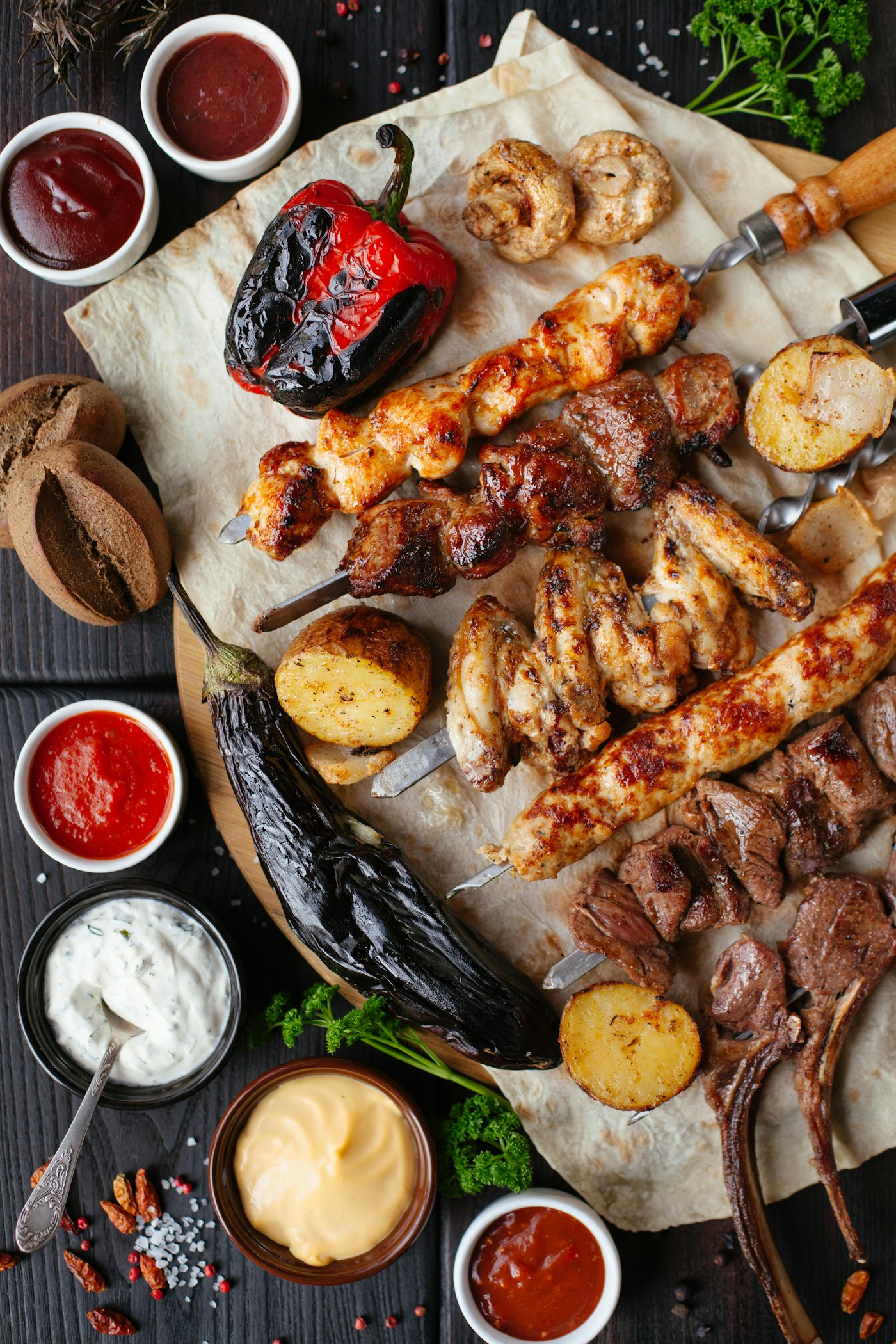
Is China an easy place to fast?
Surprisingly, yes — easier than most people expect. China has tens of millions of Muslims and tens of thousands of mosques, and in the cities we operate in the halal infrastructure is not a special arrangement, it is simply how the neighbourhood works. In Xi'an, Xining, Yinchuan, Lanzhou and Kashgar, whole districts are Muslim; restaurants close for the day and reopen for iftar as a matter of course.
What takes planning is not the food, it is the shape of the day. A normal China tour runs on a tight, early-starting schedule designed to beat the crowds. That schedule is wrong for someone fasting. We rebuild it: later starts, lighter afternoons, a guaranteed stop for Maghrib wherever you happen to be.
Suhoor: how we handle it
We do not leave you to find a 4am meal alone. On our Ramadan departures a suhoor box is delivered to your room the night before: dates, bread or buns, eggs, yoghurt, fruit and water, halal and sealed. Your guide confirms the delivery each evening and sets the wake-up call against Fajr for your exact city and date.
In Xining (Qinghai ) and Yinchuan (Ningxia ) you can also simply walk out after Fajr — halal breakfast places near the big mosques open early specifically for the fasting month. Your guide will tell you which ones.
Iftar: where you will break your fast
Iftar tables are reserved in advance, every single night, before you fly. We do not "find somewhere" at 6:40pm.
- Xi'an (Shaanxi) — a courtyard restaurant inside the Muslim Quarter: dates, lamb soup, beef paomo, skewers, sweet eight-treasure tea.
- Xining (Qinghai) — Hui and Salar family restaurants near Dongguan Grand Mosque, often with community iftar.
- Yinchuan (Ningxia) — the most openly Ramadan-observant city on our list; the streets around Nanguan Grand Mosque come alive at sunset.
- Kashgar (Xinjiang) — iftar in the shadow of Id Kah Mosque, with Uyghur pilaf, kebabs and naan.
We keep you within a few minutes of the mosque at Maghrib and build the evening around it, including Taraweeh where it is held.
Prayer times on the road
Your guide carries a printed prayer-time sheet for your exact dates and cities, and the daily plan is built around it — not the other way round. In practice that means: sightseeing blocks that end near a mosque at Dhuhr, Asr scheduled around a stop with water for wudu, and Maghrib never "on the bus".
China spans a huge longitude range, so times shift noticeably between Beijing and Kashgar — a difference of roughly two hours at the extremes. We recalculate whenever you cross regions, and your hotel is checked for qibla direction before you arrive.
Four cities that make Ramadan easy
- Xi'an (Shaanxi ) — the most halal-ready city in China. Hundreds of certified halal restaurants inside the walls and the Great Mosque of Huajue Lane at the centre.
- Xining (Qinghai ) — our home base. Dongguan Grand Mosque is central, halal food is everywhere, and the cool highland climate makes fasting days gentler.
- Yinchuan (Ningxia ) — China's Hui autonomous region. The most visibly Ramadan-observant city we operate in.
- Kashgar (Xinjiang ) — the most Central Asian atmosphere in China, and Id Kah Mosque at dawn is worth the whole trip.
Eid in China: what to expect
Eid al-Fitr in China is a genuine public occasion for Muslim communities. In Yinchuan, Xining and Kashgar, Eid prayer gathers very large congregations — arrive early, dress well, and expect the mosques and their surrounding streets to be full, decorated and cheerful.
Practically: we schedule your Eid day around the prayer, reserve a halal Eid lunch for your group, and keep the rest of the day light so there is time for visiting, photographs and rest. In Ningxia and Xinjiang, Muslim employees and businesses may observe Eid holidays, which we plan around rather than fight.
A sample Ramadan day on tour
- 04:15 — Wake-up call, suhoor box in the room.
- 05:00 — Fajr, then rest or a short walk near the mosque.
- 09:30 — Depart for the day's sightseeing, water in the vehicle.
- 13:00 — Dhuhr at a mosque on the route, then a light indoor activity.
- 16:30 — Asr, then back to the hotel to rest before Maghrib.
- 19:00 — Iftar at a reserved halal table, followed by Maghrib and, where held, Taraweeh.
Fasting notes: altitude, dry air, travel days
Xining sits at about 2,200 m and Qinghai Lake at 3,200 m. Altitude is not dangerous at those heights for most people, but it does make fasting feel different — mild headache, faster dehydration. Drink steadily between iftar and suhoor, keep the first day light, and tell your guide if you feel unwell.
The bigger issue is dryness. Northwest China is arid, and a fasting day in Lanzhou or Dunhuang dehydrates you faster than a fasting day in Kuala Lumpur. We carry water in the vehicle, keep afternoon activity short and indoors where possible, and — if you need to break the fast — you are travelling, and Islam gives you that concession without argument.
On long travel days (a flight or a four-hour drive) you remain a traveller for that day, and we plan the schedule accordingly.
Booking a Ramadan departure
Ramadan moves about eleven days earlier each year, so send us your dates early — halal restaurants and Ramadan-observant guides get booked quickly in Xi'an, Xining and Yinchuan. We return a free day-by-day plan with suhoor and iftar arranged, prayer times, hotels and an itemised price, usually within 24 hours.
Ramadan departures include a suhoor box delivered nightly, iftar tables reserved in advance at certified halal restaurants, a day rebuilt around the fast rather than the crowds, and Eid prayer arranged at a local mosque — at no extra cost.